

























































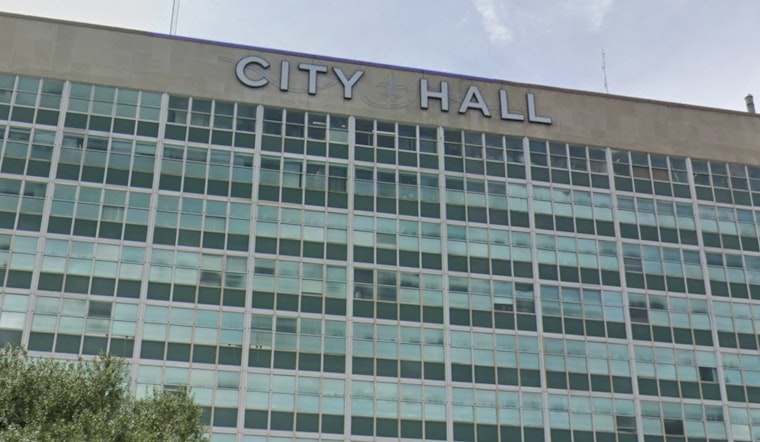
New Orleans officials are getting ready to trade nearly nine years of Caesars casino lease payments for a lump sum of about $103 million in cash, a financial maneuver aimed at refilling a rainy-day fund that is basically tapped out. Watchdogs say the move can work as a quick fix, but only if the city locks the money into a true reserve account and sets firm rules that block the kind of ad hoc spending that helped drain the fund in the first place.
Mayor Helena Moreno rolled out the proposal this week and said her administration is negotiating with an investor to turn the future lease stream into immediate cash, according to Axios. Moreno conceded the deal would cut long term revenue, roughly $4.7 million less per year under the proposed discount, yet argued that an up front infusion is needed to rebuild reserves ahead of hurricane season.
In a May 4 report, the Bureau of Governmental Research (BGR) spells out the mechanics. The city would sell its rights to roughly $16.3 million a year in Caesars lease payments for about nine years in exchange for $102.6 million up front, and BGR notes that the Orleans Parish School Board’s share of the revenue would stay intact. The group backs using the money to rebuild emergency reserves but points out that the ordinance, as written, has no spending limits or regular public reporting and urges the council to adopt a formal reserve policy before the 2027 budget season.
“We are working on a deal to sell the city's rights to the next nine years of rent payments,” Moreno said at a briefing, adding she “hates to give up that money” but needs cash to shore up the city’s finances, according to WWL. The proposal still has to clear the New Orleans Building Corp. board and the City Council. Officials say votes are expected in the coming days and that paperwork could be wrapped up shortly after approval.
The Math And The Tradeoff
BGR’s analysis underscores the tradeoff: the city would get quick cash now, yet give up roughly $148.8 million in nominal lease revenue over the nine year term, since the investor would effectively collect an 8.75% annual return on the payment stream. Even with the lump sum, BGR estimates the move would only lift reserves to about the minimum commonly recommended level, roughly $136 million, or about 17% of the city’s $800 million operating budget. For a storm prone city, that is not much of a cushion.
What To Watch
The immediate question is whether City Hall and the council will bolt on the fiscal guardrails BGR is calling for, limiting use of the Caesars proceeds to emergency reserves and requiring regular public reports on balances and withdrawals. City leaders say the council vote is imminent and that approval would let the administration rebuild cash before June 1. Local coverage and watchdogs are pushing for both a tight spending restriction and a public reporting requirement, as reported by Axios.
Government finance groups generally recommend that cities keep at least one to two months of operating expenses set aside as reserves, which works out to roughly 16% to 17% of an annual operating budget. If the council follows BGR’s recommendations and ties the Caesars cash out to a formal reserve policy, the infusion could stabilize New Orleans’ short term financial footing. Without those protections, the city risks replaying the same habits that bled its rainy-day fund dry.



