

























































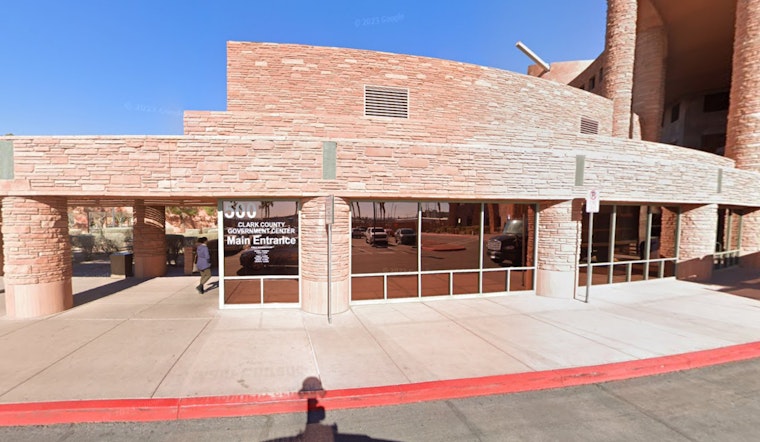
Clark County commissioners have signed off on a new ordinance that writes single-lane tunnels into the county fire code, laying out a dedicated safety and permitting playbook for underground transit corridors like the Vegas Loop. The chapter spells out how tunnels must be built and operated, what kind of vehicles can run through them, and how emergencies must be handled. County staff and industry insiders say the move removes a key bureaucratic snag and could finally let the Loop stretch beyond its current convention center bubble.
What the ordinance requires
The ordinance bolts Chapter 42 onto the International Fire Code and formally defines what counts as a single-lane tunnel. It requires a detailed fire-protection report, separate construction and operational permits, and an operations control center that keeps eyes on traffic and safety systems at all times. It also sets technical limits, including a 123-kilowatt-hour maximum battery size for vehicles unless a larger pack is specifically approved, bans hydrocarbon fuels in passenger tunnels, and mandates clear signage, blue-light emergency stations, and strict limits on how far exits can be from the surface.
Operators are on the hook for supplying approved fire-department response vehicles at their own expense and for reporting speed and safety incidents to county officials. All of it is laid out in the ordinance text posted by Clark County.
Why it matters for the Vegas Loop
For developers and The Boring Company, the new code effectively becomes a one-stop checklist for getting stations and new tunnel segments approved. Instead of negotiating standards project by project, applicants now know exactly what Chapter 42 requires before they even file.
A business segment from the Las Vegas Review-Journal cast the ordinance as a tipping point, suggesting the Loop expansion is “ready to explode” now that the regulatory fog has lifted. At the same time, new airport connections and station work have shown how the system is trying to break out of its convention center confines and knit together more of the valley.
Safety and oversight in the spotlight
The growth talk has unfolded alongside less flashy headlines about worker complaints, spills, and regulatory enforcement tied to Loop construction. Reporting has tallied hundreds of alleged environmental violations, OSHA complaints, and fines, and has raised questions about whether the project’s private financing let some work sidestep the kind of scrutiny public projects usually face.
According to ProPublica, those concerns, along with plans for a roughly 68-mile network with 104 stations, helped spur officials to carve out tunnel-specific code language instead of trying to squeeze the system into rules written for traditional infrastructure.
Timing and what to expect next
The ordinance appeared on the county commission’s May 19 agenda, and the draft posted by the county has the new rules scheduled to kick in on July 1, 2026, after required publication. That timeline means station and tunnel applications filed in the coming weeks will be evaluated against Chapter 42 and could force operators to prove they have approved response vehicles, ventilation setups, and communications plans in place before they get a final green light.
The county agenda and full ordinance language are posted on the public docket and in the ordinance repository at Clark County and Clark County.
Residents, safety advocates, and business owners will be watching closely to see how aggressively county staff enforce the new chapter as tunnel proposals start stacking up. We will be tracking permit filings, county reviews, and any legal or political pushback as the Vegas Loop tries to scale from a convention center novelty into a full-blown regional network.





