

























































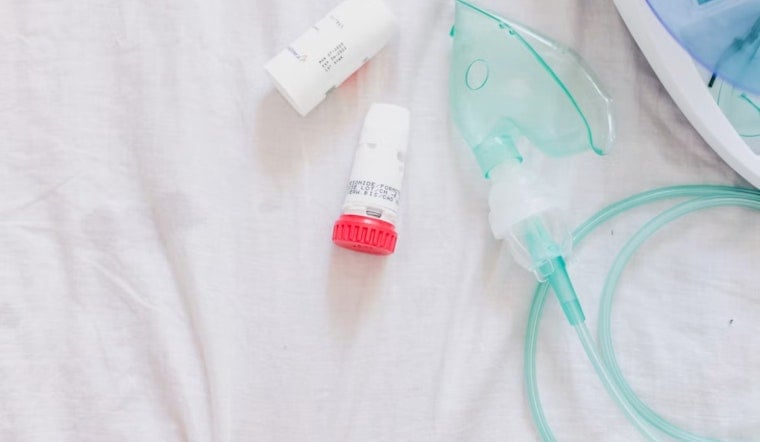
Cleveland researchers are taking the asthma fight straight into local living rooms, basements and bedrooms. A new pilot program is sending teams into about 60 Greater Cleveland homes to see whether relatively small repairs and air-cleaning gear can cut kids’ asthma symptoms and keep them out of the emergency room. The study blends engineering know-how, medical follow-up and on-the-ground repair work to test which low-cost fixes actually clean up indoor air and ease breathing.
How the study works
According to Case Western Reserve's Hegarty Lab, the INHALE study teams visit each participating home twice. The first visit lasts about an hour and includes collecting dust and air samples, installing an air cleaner and an air monitor, and inspecting for mold and moisture. After any needed repairs are completed, researchers return roughly three months later to take new samples and see what changed.
Families receive an air cleaner, a vacuum and mattress and pillow covers, plus $50 after each of the two visits. Homes that need work can qualify for repairs of up to $1,000 per unit.
Who is running it and who is paying
The project is led by Dr. Bridget Hegarty and links Case Western Reserve University engineers with lung specialists at the Cleveland Clinic and the local nonprofit Environmental Health Watch. As reported by Signal Cleveland, the effort is supported by a $1 million federal grant from the U.S. Department of Housing and Urban Development. Hegarty told the outlet that “the built environment is often ignored” when doctors are treating asthma.
Why it matters here
The Asthma and Allergy Foundation of America’s 2025 “Asthma Capitals” report ranks Cleveland as the fifth most challenging city in the country for people living with asthma, based on how common the disease is, emergency room visits and asthma deaths. The City of Cleveland’s Indoor Air Quality program already runs a home-visiting effort called Breathe Easy Everyday, but city staff do not fund repairs. According to the city’s public health page, the INHALE pilot is meant to help fill that gap.
What the team will measure
Research teams will collect dust and air samples and leave an air monitor running in the home for the duration of the study. They will analyze what kinds of mold are present, test children’s lung function by measuring how quickly they can exhale, and ask families about emergency room visits and inhaler use to track any changes over time.
The pilot is intentionally small at around 60 homes. Organizers note that some households may see real benefits from limited fixes, but full-scale remediation can be far more expensive. Signal Cleveland reports that basement mold remediation alone can average about $2,500.
Who can apply and how
Residents of Greater Cleveland who have a child with asthma can apply. Both homeowners and renters are eligible, although tenants need permission from their landlords to participate. Residents can submit an interest survey through Case Western Reserve's INHALE page, and a team member will follow up by phone.
Small pilot, big questions
Organizers hope the study will produce clear evidence on whether relatively inexpensive housing repairs can prevent emergency care and reduce the need for medication. If the data are compelling, they want insurers and public programs to see housing-focused interventions as part of asthma care, not a side project.
Environmental Health Watch, which is handling or overseeing the repair work, describes the project as an extension of its long-standing “healthy homes” focus, centered on keeping houses dry, well ventilated and free of pests. The big question now is whether those basic fixes, backed by federal dollars and local know-how, can start to move the needle for Cleveland kids struggling to breathe in their own homes.





