

























































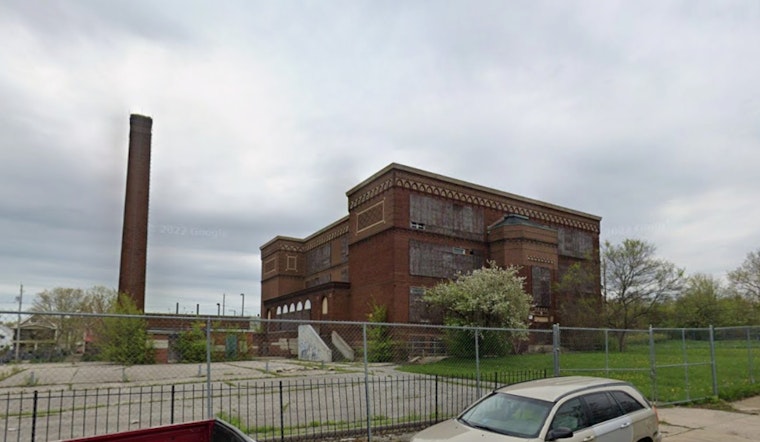
Cleveland is trying to turn four long-vacant school buildings from neighborhood ghosts into working community anchors, with a new redevelopment push aimed at mixing historic preservation with fresh investment on the East Side. The targets: Audubon Middle, Mount Auburn Elementary, Central High and Empire Junior High, all locally designated landmarks that have sat empty or largely idle for years.
The effort is centered on the Landmark School Sites request for qualifications, or RFQ, posted in March. The city is asking development teams to submit their qualifications by June 6, 2026, and is pitching the sites as historic-preservation plays tied directly to neighborhood revitalization, according to the City of Cleveland. The RFQ calls for proposals that “preserve and reactivate” the buildings for nearby residents, and it asks respondents to lay out their track record, financial capacity and community engagement approach.
In a press release reported by Cleveland 19, Michele Pomerantz said the initiative is meant to boost neighborhood revitalization while keeping the city’s architectural history intact. Community leader Joevrose Bourdeau-Small framed the RFQ as a chance to put locally designated landmark buildings back into productive use, the outlet noted.
City planning records confirm that the four schools carry local landmark status, which triggers preservation oversight for any future redevelopment, per the Cleveland Landmarks Commission. That designation means developers will have to work closely with preservation staff as they shape new uses for the old campuses.
What the RFQ wants
The RFQ asks teams to submit concise, site-specific concepts for each property and to spell out how their projects will support surrounding neighborhoods while safeguarding historic features, according to the City of Cleveland. Selection criteria include experience with historic rehabs, overall financial feasibility and alignment with goals set by the city’s Office of Equal Opportunity. An evaluation group made up of city officials and Cleveland Metropolitan School District representatives will review the submissions.
Past conversions and the challenges ahead
Cleveland has traveled this road before. Previous rounds of surplus-school deals produced plans to convert older campuses into affordable and senior housing, as documented by NEOtrans. The track record shows these projects can move forward, but also that turning century-old schools into modern housing or community space is not cheap. Landmark rehabs often hinge on tax credits, environmental cleanup and layered public-private financing, factors developers will have to bake into any new proposals.
Next steps and timeline
The RFQ window wraps in early June, and, according to Cleveland 19, the city expects to choose development teams this summer, with a target selection date of July 22. After that, community meetings and design reviews are expected as teams move from the qualifications stage into full proposals.
Residents in Mount Pleasant, Kinsman, Central and Glenville are likely to watch closely. If the city and chosen developers can strike the right balance between preservation and new investment, the long-silent school buildings could turn into anchors for broader neighborhood renewal. Officials say updates will be shared through the city’s procurement portal and other outreach channels as the process rolls forward.



