

























































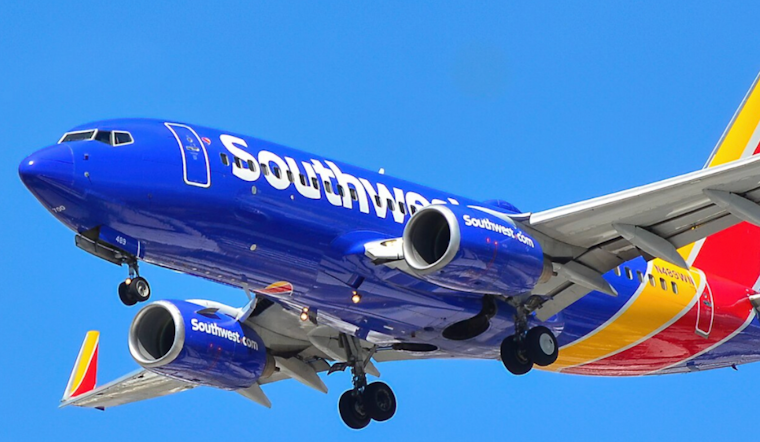
A Southwest Airlines flight bound for Baltimore made an unexpected detour to Tulsa on Monday after the cockpit windshield cracked while the jet was cruising at about 37,000 feet. The plane landed safely, no injuries were reported, and passengers were later moved to another aircraft that reached Baltimore roughly four hours behind schedule.
According to Business Insider, the flight, Southwest 2665, departed Albuquerque around 2 p.m. local time and diverted after about an hour in the air, when the crew reported the cracked windshield. The FAA confirmed the aircraft landed safely in Tulsa "after the crew reported a cracked windshield," while Southwest described the landing as "uneventful" and said customers were rebooked onto a replacement plane.
Flight path and the plane involved
Flight-tracking data from Flightradar24 shows the Boeing 737-700 registered N265WN turned south and diverted to Tulsa instead of continuing east toward Baltimore. The same tracking data indicates the replacement aircraft arrived in Baltimore at about 11:30 p.m. local time, leaving passengers around four hours late to their destination.
FAA response and safety protocols
The FAA has said it posts preliminary reports for incidents like this and reviews events that involve in-flight structural issues. The agency's FAA statements page also notes that it coordinates with the NTSB and other partners as needed when conducting technical reviews.
How common is this?
Cracked cockpit windows are rare but not unheard of, and regulators have looked into similar cases in recent months. A notable October incident involving a United Airlines jet whose windshield was likely struck by a weather balloon and forced to divert is detailed by ABC News, which reports that investigators examined how high-altitude devices can create unexpected risks.
Southwest praised the professionalism of its crew and said customers were accommodated and ultimately flown to Baltimore on a replacement aircraft, according to Business Insider. The FAA review of Monday's incident is ongoing, and the affected jet will undergo inspections on the ground before returning to service under standard safety procedures.





