

























































In Silicon Valley, being labeled "difficult" can stall a career. A longtime Broadcom engineer now claims it ended hers.
After 26 years at Broadcom, senior engineer Gouri Rayabhari, 58, of Cupertino, says she was pushed out of the company after being labeled difficult and has filed a discrimination lawsuit in Santa Clara County. In her complaint, she says she helped build a Wi-Fi division that produced more than 30 products, yet was repeatedly stereotyped and sidelined by male supervisors. The filing says that treatment came to a head with her Jan. 29 termination and a division-wide message that she alleges damaged her reputation.
As reported by Palo Alto Daily Post, Rayabhari filed the suit on May 13 in Santa Clara County Superior Court, claiming discrimination that she says began in 2011 and escalated in 2023. The lawsuit names three senior leaders: Mark Gonikberg, Rohit Gaikwad and Rahul Magoon. According to the complaint, she attempted to resign in June 2025 after Magoon was installed as her supervisor, but she was later fired by Gonikberg, who allegedly said she had undermined him by asking an employee not to support a project she was supposed to be working on.
Who the suit targets and how Broadcom is positioned
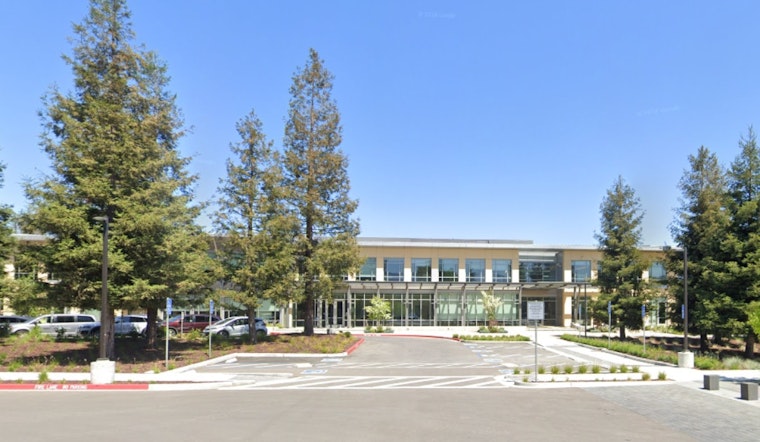
The complaint focuses on Broadcom leadership, including Gonikberg, whom Broadcom identifies as a senior vice president and general manager who has led recent Wi-Fi product launches. Broadcom lists its headquarters at Stanford Research Park, and the company's proxy statement in a filing with the SEC shows 3421 Hillview Avenue in Palo Alto as its address. The lawsuit alleges that senior leaders repeatedly labeled Rayabhari difficult and passed her over for promotions.
What the complaint says about reputational damage
The lawsuit argues that the division-wide message about her exit has caused severe and lasting reputational harm and has effectively made her unemployable in her field, according to the complaint, as described by the Palo Alto Daily Post. Broadcom spokesman Tim Ragones declined to comment on the lawsuit, the Post reported. Rayabhari's attorneys say the "difficult" label is an example of a gender stereotype that disproportionately punishes women who are assertive in the workplace.
Why calling someone "difficult" can be a legal problem
U.S. courts and the EEOC recognize that employment decisions rooted in gender stereotyping can amount to sex discrimination under Title VII. The Supreme Court's Price Waterhouse decision, along with later EEOC guidance, treats it as potentially unlawful when employees are penalized for behavior that is praised in men but criticized in women. That legal theory is now a common framework for discrimination suits, and Rayabhari's complaint appears to rely on it to explain both her treatment at Broadcom and her eventual firing.
What happens next in the case
Rayabhari brought her complaint in Santa Clara County. From here, civil cases typically move through service of the lawsuit, evidence gathering in discovery, and then settlement talks or trial if the parties do not reach an agreement. The Superior Court's website lists the downtown civil courthouse and related court services in San Jose at 191 North First Street, where filings and hearing dates for county cases are posted. Until a judge or jury weighs in, or the parties settle, the allegations in the complaint remain just that: allegations.




