

























































Weekly jobless claims in the United States nudged higher last week, but layoffs are still running near historically low levels, suggesting a job market that is easing gradually rather than falling off a cliff. Both initial claims and continuing claims ticked up as households and policymakers continue to juggle higher prices for everyday essentials.
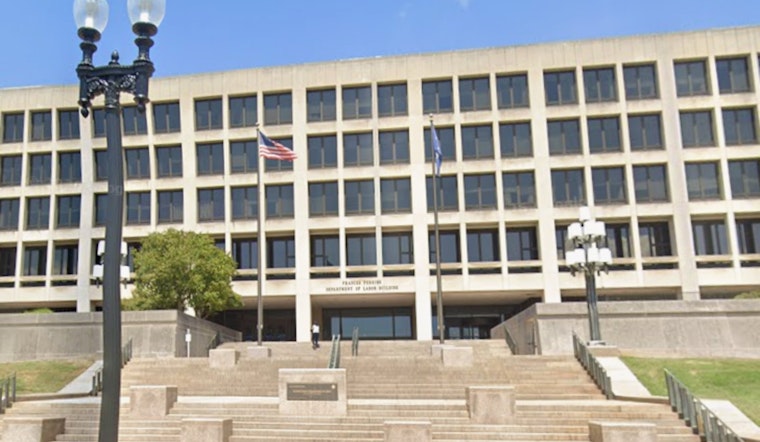
The Labor Department’s latest weekly report shows initial claims rose by 5,000 to 215,000 for the week ended May 23, while continuing claims increased by 15,000 to 1,786,000, according to the Labor Department. Economists polled ahead of the release had expected about 211,000 initial claims, and the unemployment rate was seen holding near 4.3% in recent monthly readings, according to Reuters.
Job Market Signals Send Mixed Messages
The story looks more complicated once you ask workers how things feel on the ground. In the Conference Board’s May consumer-confidence survey, the share of people saying jobs were “plentiful” fell to its lowest level since February 2021. At the same time, the share saying jobs were “hard to get” slipped to a seven-month low, according to The Conference Board.
That odd pairing suggests many consumers no longer see a job market overflowing with openings, even as employers pull back from big layoff waves. In other words, it is not a jobs emergency, but it is not a hiring free-for-all either.
Rising Costs Muddy the Outlook
Adding another wrinkle, higher prices for key commodities have recently put fresh pressure on inflation. Oil and fertilizer costs have climbed after conflict in the Middle East briefly disrupted shipments through the Strait of Hormuz, a development flagged alongside the claims data by Reuters.
Those cost spikes help explain why Federal Reserve officials are in no rush to signal interest-rate cuts, even as the labor market cools. A softer job market paired with stubborn inflation is exactly the kind of mixed backdrop that keeps central bankers up at night.
What to Watch Next
Market watchers and policymakers alike will be keeping a close eye on whether continuing claims keep climbing. A steady increase would point to longer spells of unemployment, even if the pace of new layoffs stays low.
For now, this weekly series remains historically low, and recent readings are logged in the Federal Reserve’s FRED database to give analysts a week-by-week view of how sturdy the jobs picture really is. Taken together, the latest numbers still point to a “low-hire, low-fire” labor market that leaves big policy moves finely balanced and very much up for debate.





