

























































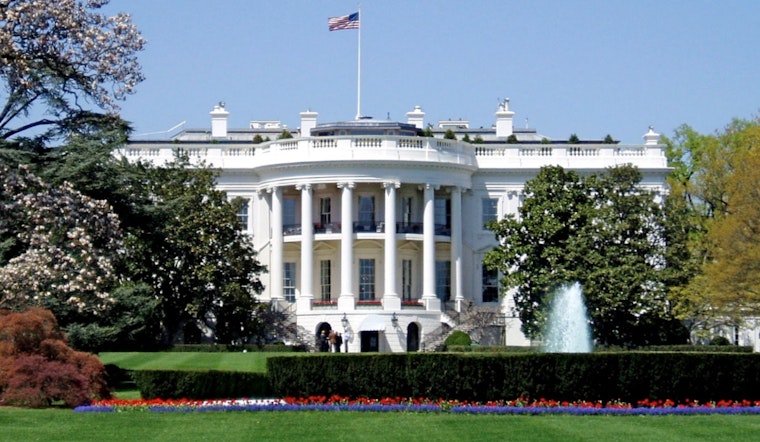
The White House has rolled out a sweeping, more-than-400-page proposal that would hand political appointees far more control over how federal grant dollars are awarded - and, in some cases, taken back. The draft would centralize pre-issuance reviews and require senior officials to certify that grants line up with the administration's priorities and applicable law. Researchers and higher-education leaders warn the shift could sideline peer review, slow approvals and put long-running, multi-year projects at risk midstream.
The Office of Management and Budget quietly published the document this week and pitched the rewrite as a way to boost transparency and accountability across federal financial assistance programs. Under the plan, senior appointees would have to review discretionary awards for legal compliance and alignment with the president's priorities, while agencies would gain broader leeway to terminate awards that no longer meet those standards. The proposal now heads into a public-comment period before OMB and federal agencies decide whether to lock it in, according to AP.
In practical terms, the draft - described elsewhere as roughly 412 pages - would move the final say on many awards away from independent expert panels and toward political leadership at OMB and agency headquarters. Scientific American reports that peer review would become advisory rather than decisive and that senior appointees would have to apply specified principles when judging proposals. Critics argue that swap elevates political judgment over scientific expertise and could spill over into limits on travel, publication and foreign collaboration tied to those grants.
What The Rule Would Change
The proposal would standardize how agencies post and process discretionary funding opportunities and give agency leaders and OMB clearer authority to vet applicants' affiliations and program content. Reporting from Inside Higher Ed says the changes would de-prioritize peer-review recommendations, expand the grounds for terminating awards midstream and tilt the playing field toward institutions with lower indirect-cost rates. Taken together, those shifts could leave long-running research projects and community programs suddenly without the federal support they were promised.
Who Stands To Lose Funding
Advocacy groups warn that the draft would strip money from programs that explicitly acknowledge diversity, abortion or the existence of transgender and nonbinary people. The Human Rights Campaign told AP that withholding grants from programs that "acknowledge the humanity of certain communities" is unacceptable and pledged to fight the rule. Beyond social-service and research grants, the Benton Institute notes the rewrite reaches broadband and infrastructure efforts - including BEAD and ReConnect - and could reshape eligibility, reporting and compliance rules for a wide mix of recipients, from state agencies to small nonprofits.
How The Rulemaking Moves Forward
Stakeholders have a tight window to respond. The draft allows roughly 45 days for public comment, an unusually short timeline for a governmentwide overhaul, according to Scientific American. The National Association of Counties says comments are due by July 13, 2026, and can be filed on Regulations.gov under docket OMB-2026-0034. Once the comment period closes, OMB and participating agencies will weigh revisions and, reporters note, are hoping to move to a final rule quickly, possibly as soon as this summer.
Legal And Political Fallout
Legal challenges are widely expected. Courts have already limited the administration's earlier attempts to pause and reprogram grants, and observers say those rulings will loom over any new rule that broadens discretionary terminations. Bloomberg Law notes that the First Circuit and other courts have enjoined sweeping funding freezes, creating a precedent that advocates and state attorneys general say will shape their responses this time around. Civil-rights organizations, universities and state and local governments have signaled they will be watching for any use of the new authorities to cut awards on ideological grounds and are prepared to contest the most aggressive moves.
For now, the document is just a proposal at the front end of a formal rulemaking process that could ultimately reshape how nearly every federal discretionary award is vetted and enforced. The coming weeks of public comment - and the court fights that may follow - will determine how far this power shift toward political appointees actually goes.





