

























































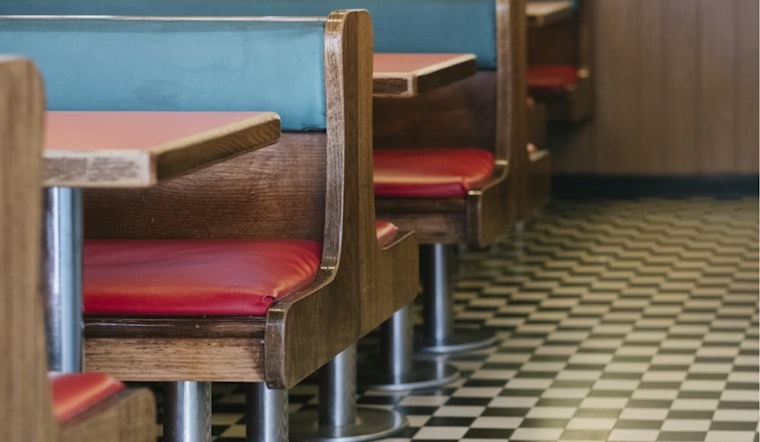
Dallas diners are watching their tabs creep up while many neighborhood restaurants say they are taking home less. At Renny’s in north Dallas, owner Mark Maguire summed it up this way: “The best way to describe business right now is that nothing makes any sense.” Dining-room sales at Renny’s are down double digits, even as catering and private-party revenue has grown in the double digits.
That split-screen reality is echoed in a statewide member survey and in conversations with local owners. As reported by the Dallas Observer, the Texas Restaurant Association’s April member survey found the group’s outlook score ticked up from 53 to 57 at the end of last year, even though 95 percent of respondents said gasoline spikes triggered supplier fuel surcharges and forced menu hikes. The same survey found that about two in five operators have already seen fewer people driving to eat out this year, almost 90 percent have raised menu prices since last year, and more than half reported decreased profit margins despite higher revenue for many.
National Inflation Keeps Pushing Restaurant Costs Up
Federal data back up that squeeze. The Bureau of Labor Statistics April CPI release shows "food away from home" - the category that includes restaurant meals - rose 3.6 percent year over year. That national climb helps explain why operators say they feel compelled to pass costs on to diners even when their own margins are thinning.
Where All That Extra Cash Is Going
Owners point to a tangle of higher wholesale food and labor costs, fuel-related surcharges, and more expensive, petroleum-based takeout supplies that have bumped up packaging expenses. Many independents say third-party delivery and marketplace orders tend to carry lower contribution margins, a dynamic that companies themselves acknowledge in filings. For example, Sweetgreen notes in its 2026 10-K that delivery channels historically have lower margins, and the pattern of sliding dining-room sales alongside rising catering or private-party bookings is documented in the Dallas Observer’s coverage of local owners.
What Dallas Diners And Neighborhood Spots Should Expect Next
For diners, that all translates into slightly higher tabs and fewer deep weekday deals, while restaurants lean harder on catering, private events, and menu engineering to protect margins. For small operators, the short-term playbook is to tighten costs where possible, chase steadier checks, and hope traffic patterns normalize before another round of commodity or fuel shocks hits.
Owners say there is no simple fix. Many are pivoting to event business and off-premise strategies while watching gas and commodity prices for any sign of relief. Until that arrives, the industry’s paradox of higher receipts but thinner margins is likely to keep Dallas dining unpredictable for both patrons and proprietors.




