

























































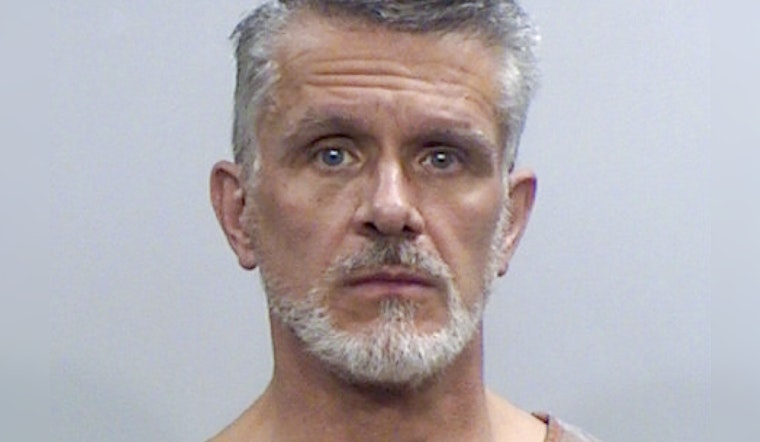
Bradley Heppner, the former chairman of GWG Holdings and founder of Beneficient, is now officially a convicted fraudster in the eyes of a Manhattan jury.
On Thursday, May 7, 2026, after a three week federal trial in Manhattan, jurors unanimously found Heppner guilty of securities fraud, wire fraud, conspiracy and making false statements to auditors over what prosecutors say was a scheme that siphoned more than $150 million from the company. He faces maximum prison terms of up to 20 years on key counts and is scheduled to be sentenced on October 7, 2026. The verdict caps years of regulatory probes, civil lawsuits and a bruising bankruptcy that left retail investors holding the bag.
Prosecutors Say a Phantom Debt Fueled a $150 Million Payout
At trial, prosecutors walked jurors through what they described as a classic shell game with a modern gloss. They said Heppner controlled a shell entity called Highland Consolidated Limited Partnership (HCLP) and used it to manufacture a $141 million debt that Beneficient supposedly owed to HCLP. That phantom obligation, according to the government, prompted GWG to authorize a series of transfers that ultimately landed in accounts controlled by Heppner.
According to the U.S. Attorney’s Office, Southern District of New York, trial evidence showed that some of that money went toward renovations on Heppner’s Dallas mansion, a private jet and jewelry, hardly the sort of expenditures retail bondholders had in mind. “A unanimous jury has found former public company CEO and Chairman Bradley Heppner guilty of fraudulently extracting $150 million,” U.S. Attorney Jay Clayton said in a post-verdict statement. The office noted the case was brought by SDNY’s Securities and Commodities Fraud Task Force, with help from the FBI and the SEC.
GWG Bankruptcy Left Small Investors Waiting in Line
GWG filed for Chapter 11 in April 2022, and the fallout has been grinding through bankruptcy court ever since, while tens of thousands of retail bondholders waited for any sign of recovery, according to the company’s disclosures with the SEC. Those filings show GWG shifted assets into wind down and litigation trusts as part of a plan to sort out claims and, hopefully, get at least some money back to investors.
Hoodline had been tracking Heppner’s legal troubles long before the verdict, noting his indictment in November 2025. The outlet first covered Heppner’s indictment in a piece titled “Former CEO Bradley Heppner Indicted.”
Judge’s AI Privilege Ruling Sends a Chill Through Legal Tech Experiments
Even before the jury weighed in, the case had already made legal headlines for a different reason. On February 17, 2026, the court issued a closely watched pretrial ruling on generative AI and privilege. The judge found that documents Heppner created using the consumer version of Anthropic’s Claude were not protected by attorney client privilege or the work product doctrine.
An analysis by Herbert Smith Freehills notes that the court zeroed in on two points. First, Claude is not a lawyer. Second, the platform’s privacy terms undercut any claim of confidentiality. Put together, that meant the AI generated materials were fair game in discovery. Legal observers say the opinion is likely to make defense teams and corporations think twice before workshopping strategy on consumer AI tools.
What Comes Next for Heppner and GWG Investors
Heppner, 60, of Dallas, is now staring down a high stakes sentencing before Judge Jed S. Rakoff on October 7, 2026. According to the U.S. Attorney’s Office, Southern District of New York, he faces statutory maximums of up to 20 years on the securities fraud, wire fraud and false statement counts.
Prosecutors Daniel G. Nessim, Alexandra Rothman and Kyle Wirshba led the government’s case. Meanwhile, civil litigation over GWG’s L Bonds and related claims is still unfolding in bankruptcy court as bondholders and other creditors jockey to recover whatever they can from the wreckage.





