

























































Indiana Borough’s planning department is set to walk residents through a PennDOT pedestrian safety audit tonight, zeroing in on Philadelphia Street, the downtown artery where multiple recent crashes have turned everyday crossings into a life‑or‑death gamble. Finalized this spring after a string of collisions last year, the study calls for signal timing tweaks, upgraded crosswalks and a mix of short-, mid- and long-term fixes intended to slow drivers and make people on foot far easier to see. Borough officials say the session will outline the findings, field questions and gather feedback before they decide what gets fixed first.
Meeting details
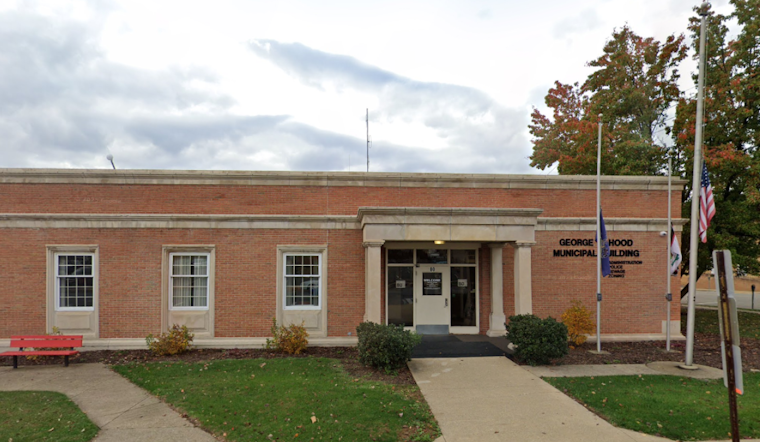
According to WCCS, the public meeting starts at 5:00 p.m. today, in the borough council chambers at the George E. Hood Municipal Building. Residents who cannot make it in person can email their thoughts to [email protected] or visit the borough’s planning pages for documents and staff contacts. WCCS notes that a link to the full audit is available on the borough’s public record portal for anyone who wants to study it ahead of time.
What the audit found
The Pedestrian Safety Audit from PennDOT Municipal Resources details a field review conducted on December 11, 2025, with the report wrapped up in March 2026. Using data from the Pennsylvania Crash Information Tool, the team logged 19 reported pedestrian crashes in the borough between 2020 and 2024 and pointed out that four fatal pedestrian crashes in 2025 triggered the safety review. Seven of the documented crashes were clustered on Philadelphia Street, the very stretch now under the microscope. one of those fatal incidents had already been covered in March 2025. The report sorts its recommended countermeasures into short-, mid- and long-term actions, including consistent signing and pavement markings, speed feedback signs, curb extensions, pedestrian refuge islands and all-red pedestrian crossing phases.
Borough response and the 4‑Way Red Initiative
Indiana Borough has begun rolling out some of the quick fixes, such as more prominent “Yield to Pedestrian” signs, stepped-up enforcement and public education, while it chases grants for costlier hardware. The borough’s 4‑Way Red Initiative is billed on the municipal website as “a comprehensive effort to improve pedestrian and traffic safety” along Philadelphia Street and highlights goals like all-red pedestrian phases and push-button crossing signals. Staff stress that any major signal timing changes and signal upgrades must run through PennDOT’s engineering and approval process and will also depend on lining up contractors and funding before the bigger pieces can fall into place.
What to expect at tonight’s meeting
Borough planners are expected to go through the audit recommendations block by block, outlining how each change would work on the ground. They will compare trade-offs such as turn restrictions versus dedicated pedestrian phases and take questions about how the proposals could affect travel times and nearby businesses. As noted by WCCS, staff will also spell out which short-term improvements could roll out relatively quickly and which ones are stuck waiting on PennDOT design approvals. Residents who cannot attend can email comments to [email protected] so that council members have them in hand during follow-up discussions.
Next steps and timeline
The Pedestrian Safety Audit lays out a phased game plan: quick “housekeeping” fixes to signs and pavement markings, mid-range hardware upgrades like curb extensions and rectangular rapid flashing beacons (RRFBs), and long-term overhauls of the corridor’s layout. The report notes that the borough has already nudged some procurement and contracting tasks into the pipeline and that, if funding and PennDOT approvals line up, residents could start to see visible changes in spring and summer 2026. Council is expected to use public input from the meeting, the audit itself and subsequent engineering work to set a ranked timeline for Philadelphia Street safety improvements.



