

























































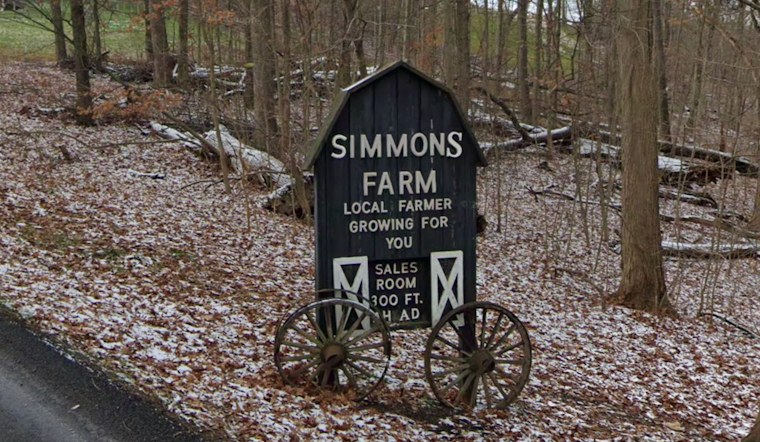
A brutal late spring freeze has wiped out the entire peach crop at Simmons Farm in McMurray, silencing this year’s pick-your-own season and leaving bare branches where families usually spend summer weekends filling baskets. Co-owner Scott Simmons said an early warm spell pushed the trees into bloom, only for a sudden plunge in temperatures to finish them off. The local loss has growers and markets across southwestern Pennsylvania bracing for a very tight fruit season.
Statewide Response And Eye-Popping Estimates
State officials are warning that what hit Simmons Farm is playing out across Pennsylvania’s orchards. Early estimates peg potential losses in specialty fruit between $150 million and $200 million. Governor Josh Shapiro and Agriculture Secretary Russell Redding have been touring damaged orchards and pressing Washington to move faster on damage assessments and crop-insurance payouts, according to the Commonwealth of Pennsylvania.
What Simmons Farm Is Dealing With
At Simmons Farm, the damage was swift and unforgiving. Scott Simmons told WTAE that the blossoms were knocked out when temperatures crashed. “Couple of days and it was down near minus ten,” he said, and the orchard never bounced back.
It is not a total loss for the farm, but it is a big hit. As reported by WTAE, Simmons Farm still has about 200 acres in other crops, and crews are working to shield strawberries and sweet corn with covers and irrigation. Once plastic row covers come off, Simmons plans to move ahead with planting tomatoes and peppers for the season, the station noted.
Why The Blooms Never Stood A Chance
Penn State Extension’s tree-fruit phenology reports help explain why some orchards fared worse than others. The freeze on April 8 hit blocks that were at very different stages of development, so damage varied widely by site and variety. Warm weather in early April had already pushed many orchards into bloom just before the cold snap, which left delicate flowers far more exposed to tissue death at lower temperatures.
Extension specialists note that growers now have to check how many buds survived before they make decisions on thinning or other recovery steps. The outcome, they say, depends heavily on the fruit variety, the elevation of the orchard and small local differences in climate from one hillside to the next.
Relief, Funding And What Comes Next
With losses mounting, local and state leaders are already pushing for help. WTAE reported that Gov. Shapiro and Secretary Redding have asked federal officials to look at redirecting $75 million from Pennsylvania’s High Path Avian Influenza fund to support fruit growers. In a letter sent Friday, the governor’s office also requested a Secretarial Disaster Designation from the U.S. Department of Agriculture, a move that would open the door to low-interest USDA disaster loans and help speed up crop-insurance and grant access.
How Growers And Markets Are Pivoting
Across the region, farms are scrambling to adjust. Some are doubling down on vegetables and later-season fruit while trying to keep market customers from feeling the pinch too sharply. Simmons told the Herald-Standard he expects to bring in peaches from another grower so the farm market can still offer the summertime staple, even if the homegrown supply is gone.
The damage is not limited to Washington County. Other operations in Southeast Pennsylvania, including Linvilla Orchards, reported major peach and apple losses after the same cold blast, raising alarms about supplies for farmers' markets and processors, as noted by The Philadelphia Inquirer.
Growers are still tallying up the damage and filing insurance claims, and many will not know the full financial hit for weeks. In the meantime, farmers are reworking planting plans, watching the forecast a little more nervously than usual, and relying on state and federal advocates to come through with support that could make the difference between surviving this season and closing the gates for good.





