

























































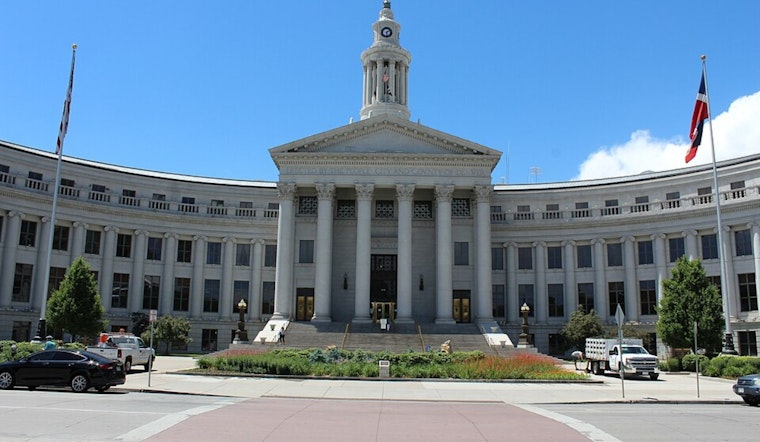
Denver City Council members are lining up to rewrite the city's lobbying rulebook after a recent debate exposed some big gaps in how outside influence at City Hall is tracked and disclosed. Supporters of the overhaul say the draft would finally force clearer, more detailed reporting on who pays lobbyists and which officials they are trying to sway. Critics counter that the plan risks saddling neighborhood groups and volunteers with extra paperwork. The fight has also shoved the revolving door, where former officials move into consulting or lobbying, right into the center of Denver politics.
What the draft would do
The proposal would require mandatory reports that spell out how much clients pay lobbyists, which officials are being lobbied and who those lobbyists represent. It would also set a $5,000 disclosure threshold for grassroots spending. Only people who are paid to lobby would have to register, and the primary responsibility for filing reports would shift firmly onto lobbyists themselves. On top of that, the draft adds an 18-month cooling-off period designed to keep some former officials out of lobbying roles after they leave office.
Councilmember Amanda Sawyer raised concerns about whether council aides have the pay and capacity to absorb the added workload. Proponents pointed to recent examples of former officials working as consultants, including former mayor Michael Hancock, as part of their case for tightening the rules. Opponents warned that, if written too broadly, the new requirements could weigh heavily on volunteers and neighborhood organizers who do unpaid advocacy. These details were outlined in a report by Denverite.
How the city tracks lobbyists now
Right now, lobbyists have to register with the City Clerk and file bi-monthly activity reports through the Clerk and Recorder’s SearchLight system. That portal makes registrations, client lists and expenditure reports available for public review. The Clerk's office charges registration fees, can investigate apparent violations, impose fines for late reports, and refer more serious cases to the City Attorney. According to the Denver Clerk and Recorder, those filings are public records, and the website includes guidance on how to register and report.
Local reaction
Backers of the rewrite are pitching it as a common-sense update to rules they say are dated and ineffective in capturing modern lobbying work. Opponents argue the city needs to tread lightly so it does not discourage civic participation. Some council members voiced unease about the added workload for politically exposed staffers and for neighborhood volunteers who already juggle unpaid advocacy with day jobs. The debate has also reignited questions about how quickly former elected officials move into private consulting and what safeguards are needed to prevent conflicts of interest.
Legal implications
The most significant legal shift on the table is the proposed 18-month cooling off period. It would bar certain elected officials and mayoral cabinet members from working as lobbyists for a year and a half after they leave office, a move supporters say would help limit conflicts of interest. Enforcement of registration and reporting requirements would remain with the Clerk's office, which can investigate late or missing filings, levy fines or refer violations to the City Attorney. Those enforcement powers, and the public nature of lobbyist filings, are described by the Denver Clerk and Recorder.
What's next
Sponsors plan to bring a draft to Denver City Council's Community Planning and Housing Committee on May 19, with the goal of refining the language using public input before asking the full council for a vote. They expect to finish shaping the proposal by June. If the committee timeline holds, the council would take up any ordinance changes in the weeks that follow, and stakeholders say they will be watching every step. For more on the draft and the council debate, see Denverite.





