

























































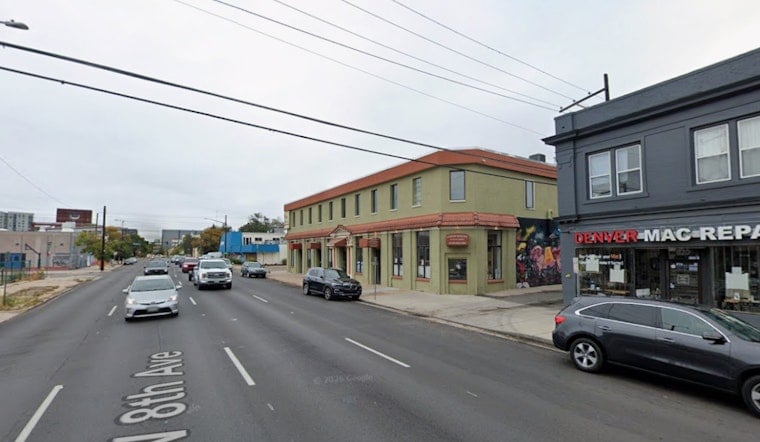
A Denver magic-mushroom co-op is refusing to quietly close its doors after state regulators ordered it to shut down, according to the operator and his lawyer. Owner Darren Lyman has run a support studio on West Eighth Avenue since 2023 and describes the operation as educational "support" only. Members, he says, pay for guidance and receive mushrooms as gifts. State licensing officials see something very different: a commercial psilocybin business, and they have responded with cease-and-desist orders.
State agencies press enforcement
According to the Department of Revenue’s Natural Medicine Division, Lyman was named in a November 3, 2023, cease-and-desist after print advertisements listed prices for psilocybin products. Regulators say that advertising and exchanging psilocybin for money is unlawful, even while the state is in the middle of standing up licensed healing centers. Denver Gazette reporting and other coverage have tracked a pattern of enforcement cases as the Natural Medicine program has rolled out.
DORA orders escalate the dispute
As reported by Westword, the Department of Regulatory Agencies' Office of Natural Medicine Licensure followed up with a December 2025 cease-and-desist, accusing Lyman of unlicensed facilitation and stating that he "is not licensed, and has never been licensed to practice facilitation." DORA declined to comment to reporters about the ongoing administrative proceedings, but its letter characterizes some of Lyman’s support services as facilitation that requires a state license. Lyman and his attorney reject that description and say he does not provide hands-on therapeutic facilitation or allow on-site consumption.
How Lyman describes his operation
Lyman says his visits with members are short consultations that include a screening and an educational talk about dosing, risks, and integration, and that mushrooms are given as gifts rather than sold. Axios has described sessions as costing between $10 and $200, noting that clients receive products in dried, chocolate, or capsule form, and that Lyman says he tests products for potency and purity. Supporters describe the model as harm reduction, while regulators argue that the line between gifting and commercialization has been crossed.
Legal stakes and the bigger precedent
Sean McCallister, Lyman’s attorney and a drafter of Proposition 122, told Westword that DORA’s interpretation of the law "would completely gut the personal use decriminalization provisions" of the measure. McCallister says Lyman does not sit with members during their experiences and is prepared to take the fight to state court if the administrative process does not resolve the dispute. The outcome could set a key legal boundary between paid harm-reduction services and tightly regulated facilitation across Colorado.
What to watch
Lyman is expected to appear before a DORA administrative law judge as the agency pursues enforcement, and he says the studio will remain open while he contests the orders. The Department of Revenue’s Natural Medicine Division lists other recently targeted operations, signaling that the state is policing potential commercial activity even as licensed healing centers come online. Denver7 coverage has documented how operators and regulators are testing the edges of Proposition 122 in real time.





