

























































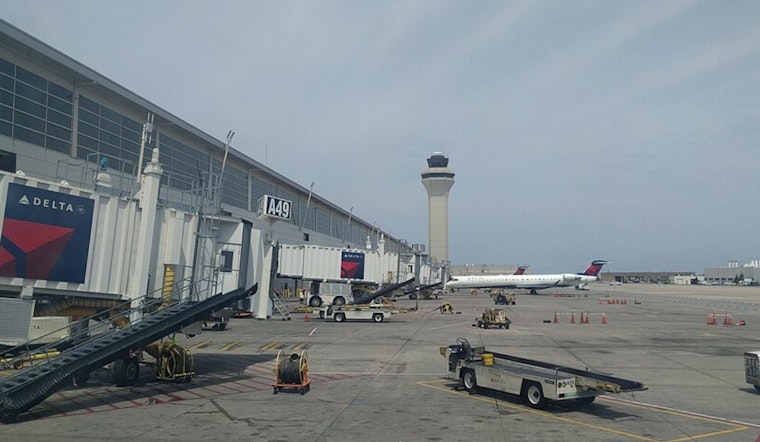
Customs and agriculture inspectors at Detroit Metropolitan Airport opened a checked suitcase and discovered what officials described as a cooked pig inside, following a passenger’s arrival from Togo. The find came during routine baggage screening at the Romulus airport and underscores how tightly U.S. authorities police meat entering the country. It was not immediately known whether the bag had been transported directly from Togo, and officials did not release the traveler’s identity.
Marty C. Raybon, director of field operations for U.S. Customs and Border Protection’s Detroit Field Office, identified the traveler’s origin as Togo and told CBS that pork products are “generally prohibited due to risk of introducing African swine fever.” According to CBS News Detroit, it was not immediately clear whether the luggage had been checked directly in Togo, and reporters had asked CBP for additional details.
What African swine fever is
African swine fever is a highly contagious viral disease that kills domestic and wild pigs and has no vaccine or treatment, but it does not infect people. The virus can survive for long periods of time in contaminated meat, which is why authorities treat pork products from affected regions as a serious biosecurity risk. The U.S. Department of Agriculture says the disease has not been detected in the United States.
Why pork is barred at the border
Federal authorities tightly restrict pork and pork products from regions affected by foreign animal diseases because infected meat can harbor pathogens for months. U.S. Customs and Border Protection and USDA agriculture specialists regularly seize meat from travelers’ luggage to reduce that risk; a CBP news release documented a roasted pig intercepted at Atlanta’s Hartsfield‑Jackson airport in 2018. That release said the item was seized and destroyed, illustrating how agriculture teams handle prohibited products.
Not the first time at DTW
Detroit’s international arrivals have produced other memorable agricultural finds. As CBS News Detroit reported last year, CBP agriculture specialists at DTW intercepted packages of bushmeat, including rodent and primate meat from West Africa, that officials said posed potential disease risks. Those earlier cases help explain why customs teams now scrutinize baggage so closely for foodstuffs that could carry foreign animal diseases.
What travelers should know
Both CBP and USDA urge travelers to declare any food, plant or animal products when entering the United States. Undeclared agricultural items are subject to inspection, seizure and potential civil penalties. The U.S. Department of Agriculture and CBP maintain guidance on what can be brought into the country and advise that, when in doubt, passengers should declare items so specialists can inspect them safely. That simple step helps protect U.S. farms and avoids fines or delays for travelers.
Federal and airport officials have not released additional details about whether the Detroit item was tested or destroyed. This story will be updated if agencies provide further information.





