

























































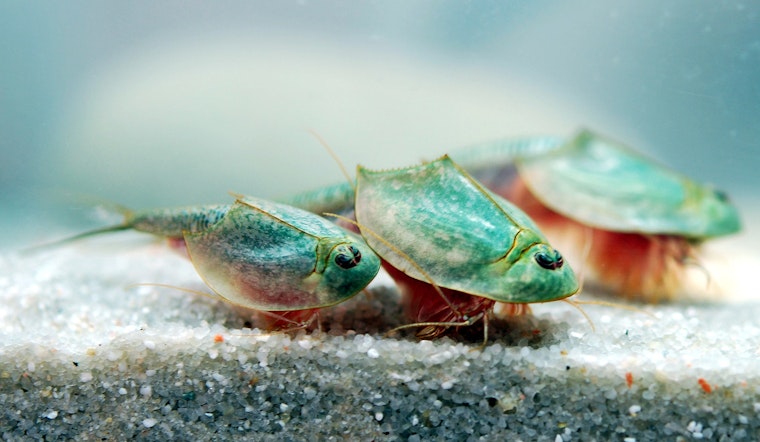
When late-March storms finally soaked parched Kahoʻolawe, rainwater pooled in old hardpan craters and stitched together a string of short-lived ponds. By the time restoration crews hiked in to check those muddy basins, they were buzzing with tiny Triops crustaceans, often called “dinosaur shrimp,” and, by April, hosting a surprise visitor: an endangered Hawaiian coot.
A Lonely, Rain-Shadowed Isle
Kahoʻolawe sits in the rain shadow of Haleakalā, making it unusually dry compared with the rest of the main Hawaiian Islands and rarely able to hold standing freshwater for long. That scarcity turns any pool that lasts more than a few days into headline material for restoration workers and cultural practitioners who watch the island closely, as reported by Civil Beat.
What Turned Up In The Crater Pools
At Lua ʻO Keālialalo, restoration staff found Triops longicaudatus scurrying through the mud of the new ephemeral pools that formed after the late-March rains. Before long, the same site hosted a visiting ʻalae keʻokeʻo, or Hawaiian coot. “People are seeing Kahoʻolawe not just as a restoration site, but as a living system responding in real time,” restoration staffer Ashley Razo said, as reported by Discover Magazine.
Restoration Work And The Wetland Plan
The Kahoʻolawe Island Reserve Commission has been steadily boosting temporary wetland spots like Lua ʻO Keālialalo by clearing invasive plants and putting native species back in the ground. Federal grant documents describe plans to improve about 20 acres of upland wetland habitat at Keālialalo, and project updates outline NAWCA-funded work to remove exotics and outplant natives so that these short-lived pools can function as real wildlife habitat, according to the Kahoʻolawe Island Reserve Commission's project report.
How The Dinosaur Shrimp Reappear
Triops species ride out the dry spells by laying tough resting eggs that can sit dormant in the soil for years, then spring to life when seasonal rains finally refill the basins. Scientists note that entire generations can hatch, grow, and reproduce within days of inundation, a life strategy that turns fleeting wetlands into intense bursts of biodiversity after a storm, according to Animal Diversity Web.
Why The Coot Sighting Matters
The Hawaiian coot, or ʻalae keʻokeʻo, is listed as an endangered species at both the federal and state level, so any inland sighting is notable, especially on an arid island that rarely has surface water at all. Federally curated species information confirms the coot's protected status, according to the U.S. Fish & Wildlife Service. Historical species accounts show that verified records of the bird on Kahoʻolawe are scarce, underscoring how unusual the recent observation appears to be, per Bishop Museum species notes.
What Comes Next
KIRC staff told Discover Magazine they plan to formally consider a Hawaiian name for the Triops and will keep monitoring the temporary pools and waterbird activity as restoration work continues. For now, the brief burst of life in Keālialalo is a vivid reminder that even one of Hawaiʻi's driest landscapes can respond quickly when the rains finally show up.





