

























































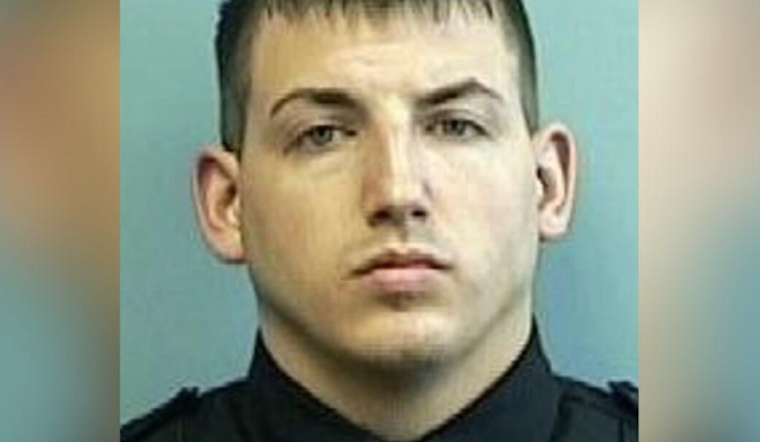
Wayne Jenkins, the former Baltimore Police sergeant who once ran the department’s Gun Trace Task Force and became the public face of one of the city’s ugliest police corruption scandals, is now asking a federal judge to cut his 25-year prison term. In a handwritten, 26-page letter from behind bars, Jenkins says he saved a cellmate’s life with CPR, details assaults and life in protective custody, and argues that those experiences, combined with changes in federal sentencing law, should earn him a break. The request drags the GTTF saga back into the spotlight and raises familiar questions about accountability and mercy.
What Jenkins Told The Court
In his filing, Jenkins tells the court that on Feb. 20 he and a correctional officer discovered a fellow inmate who was not breathing. He says he performed CPR until the man came back around, and he attached affidavits from that inmate and other witnesses to back up the account. Jenkins also writes that he is housed in protective custody, that other incarcerated people target him because he used to be a police officer, and that he is formally seeking compassionate release under the First Step Act.
He asks the judge to factor in his behavior while in prison, the hardships facing his family, and the conditions he describes inside the facility when deciding whether to trim his sentence. According to WMAR2News, Jenkins is urging the court to treat those circumstances as “extraordinary and compelling” reasons to intervene.
Jenkins' Conviction And Sentence
Federal prosecutors have long described Jenkins as the ringleader of the Gun Trace Task Force’s criminal operation. In court, he admitted taking part in robberies, planting evidence, and falsifying official police reports. He pleaded guilty to racketeering, robbery, and deprivation of rights, and in June 2018, a federal judge sentenced him to 25 years in prison, according to a U.S. Attorney’s Office press release. The Department of Justice laid out the scale of the scheme and Jenkins’ own admissions in its sentencing papers, a record that makes clear why federal prosecutors are expected to fight any early release.
GTTF's Damage In Baltimore
The GTTF cases pulled back the curtain on a group of officers who planted drugs, robbed people they targeted, and fabricated paperwork, misconduct that has helped unravel dozens of criminal convictions and cost the city millions. Baltimore officials have tracked roughly $20–$23 million in settlements linked to GTTF abuses as the city tries to resolve claims and rebuild public trust, according to local reporting.
How Compassionate Release Works
Under the First Step Act of 2018, incarcerated people can ask courts to reduce a sentence under 18 U.S.C. § 3582(c)(1)(A) if they can show “extraordinary and compelling” reasons. Judges, however, still have to weigh the full set of sentencing factors in 18 U.S.C. § 3553(a), and they have wide discretion in deciding what to do. Legal analysts note that courts frequently deny these motions even when people describe serious illness, difficult prison conditions, or pressing family needs, because public safety and deterrence often carry significant weight.
Prosecutors are expected to oppose Jenkins’ bid, and there is no public timetable for a ruling. Local coverage, along with a short segment on CBS Baltimore, has flagged the filing and the uncertainty around when the judge will decide. According to CBS News Baltimore, the petition has rekindled attention on the fallout from the GTTF scandal and on how judges balance an individual’s circumstances against the weight of high-profile public corruption.





