

























































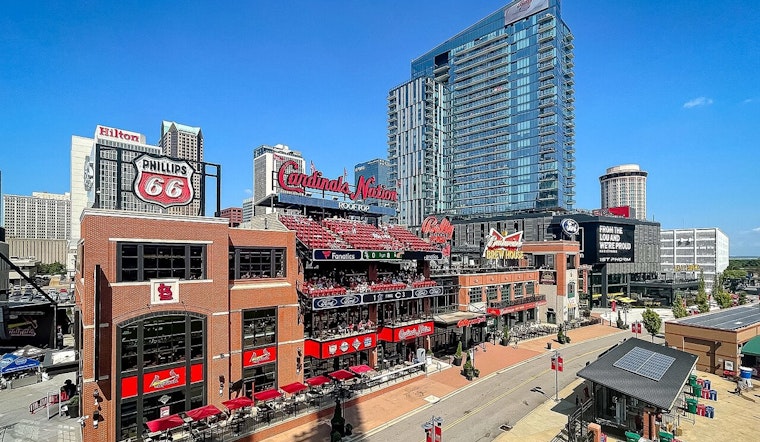
Downtown St. Louis’ new mixed-use playgrounds of Ballpark Village, City Foundry and Union Station are not just drawing crowds, they are starting to ring up noticeably bigger tabs. Restaurant owners, shopkeepers and planners say heavier foot traffic and a steadier stream of events are now showing up in hard sales data along several central corridors. All of this is unfolding as the city undertakes its first full zoning overhaul since the 1950s, a move that could make it much easier to greenlight more live-work-play projects.
According to First Alert 4, reporter Nathan Vickers spoke with Kate Marijolovic of the St. Louis Business Journal about rising sales tax receipts in several downtown districts. As that segment explains, Marijolovic’s reporting tracks which entertainment and retail corridors are now posting clear sales growth in official revenue tallies.
Where the money is coming from
Some of the bump is tied directly to big-ticket events. The 2025 Frozen Four alone brought in roughly $600,496 in sales tax revenue for the city, according to the St. Louis Sports Commission. Many of the busiest blocks also sit inside special taxing districts with higher combined sales tax rates, which helps concentrate taxable spending into a relatively small footprint, as detailed by Taxwire.
Zoning rewrite could unlock more projects
Timing is not a coincidence, planners argue. The city has launched a comprehensive zoning upgrade, the first major rewrite and map refresh since the mid-twentieth century, that is intended to make approvals for mixed-use development clearer and quicker. As outlined by ZOUP, draft zoning districts and an interactive map are available for public comment through May 31, 2026, a step city officials say should help turn developer interest into actual permits and construction.
The tax picture is complicated
Even with sales numbers climbing, not every extra dollar spent downtown lands in the city’s general fund. Long-running Tax Increment Financing agreements, community improvement district levies and some construction-related exemptions can redirect revenue to pay off project debts or to support narrowly targeted funds. That tension was on display when City Foundry’s tax incentives were renegotiated, a process that St. Louis Public Radio reported included concessions designed to steer a portion of the money toward affordable housing and other public benefits instead of solely into the city’s operating budget.
What to watch
The next test is whether short bursts of visitor spending can be converted into something more boring and much more valuable: steady, year-round demand. That would mean more apartments filled, ground-floor spaces consistently leased and a tenant mix that keeps the lights on during weekday mornings as well as weekend nights. Local coverage indicates City Foundry operators are already leaning harder into event-driven concepts and hybrid uses, a sign that the market is adjusting, according to rooftop bar and party hub at City Foundry. For now, city officials and developers say the next six to twelve months, as zoning drafts are revised and permits begin to move, will offer a clearer read on downtown’s economic trajectory.





