

























































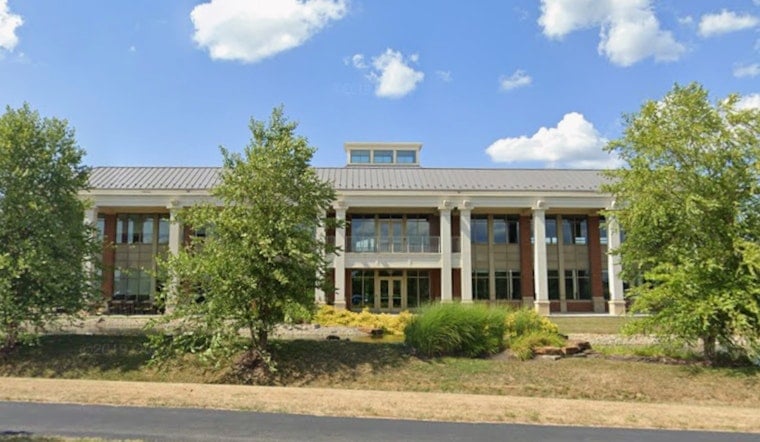
Dublin is quietly trying to rewrite the suburban playbook, leaning on fast fiber to homes, a business-grade 100-gig backbone and aggressive land assembly that hands developers shovel-ready sites. The strategy knits infrastructure upgrades and zoning changes into one package so companies can move in quickly, and employees have places to live, eat and commute without long drives. Those moves are already reshaping where employers look to expand inside the Columbus region.
How the Playbook Came Together
The push landed in national reporting this week when The Business Journals detailed how local leaders packaged connectivity, sites and incentives into a single pitch to businesses. The profile framed Dublin’s recent approvals and outreach, from Metro Center planning to a Bridge Street expansion, as a coordinated effort to make the suburb more competitive for headquarters, R&D and advanced manufacturing.
Wiring the Suburbs
Dublin accelerated a public-private fiber push that was billed to reach more than 15,000 single-family addresses, on the timeline Altafiber announced when the city moved to fast-track a multi-gig buildout. As the city upgrades last-mile service for households, companies in town already tap into business-grade transport: Dublink and related partners have built out ultra-high-capacity routes that city officials and industry observers point to as a real competitive advantage for data-intensive firms.
Altafiber’s March 2025 announcement framed the project as an accelerated timetable to put multi-gig XGS-PON into most single-family homes, and community broadband coverage for companies has been highlighted as a selling point by industry trackers. Altafiber and sector reporting describe the two tracks, home fiber and 100-gig business transport, working together to shorten procurement and operations timelines for new tenants. Community Networks has documented how that Dublink backbone supports everything from health-care hubs to data center ties.
Land Grabs and the West Innovation District
Behind the optics is an equally deliberate land strategy. The West Innovation District is a 2,250-acre planning area the city has targeted for office, research and advanced manufacturing, and Dublin has been assembling property and infrastructure capacity to lower the risk for large projects. In recent months the city reported acquiring additional acreage inside that district and adopted a Council goal to “catalyze economic development” there as staff complete an implementation strategy. Those moves are intended to speed up utility, roadway and permitting work so developers face fewer unknowns at entitlement time.
City economic development reporting lays out the acquisitions, the district’s acreage and staff plans to model street, water and sewer scenarios that would make big-footprint campus deals easier to build. Thrive In Dublin says the 2026 land buys and planning updates are meant to unlock major private investment over the next several years.
Bridge North and Extending Bridge Street
Closer to downtown, Dublin has already greenlit Bridge North, a mixed-use expansion on Riverside Drive that adds roughly 75,000 square feet of Class A office, about 280 multifamily units, ground-floor retail, structured parking and a 150-key Tempo by Hilton hotel. The project is intended to extend the walkable Bridge Park model northward, providing firms with more contiguous office options alongside housing and hospitality.
Local reporting on the Bridge North concept and approvals lays out the block plan, the plaza orientation, and the developer team behind the proposal, and presents the project as a marketing asset when the city speaks to site selectors and corporate real estate teams. Columbus Underground reviewed the development plan and renderings that shaped the council approval.
What It Buys: Jobs, Heads and Headquarters
The combination of connectivity, shovel-ready sites and visible approvals is already paying off on paper. Dublin reports roughly 4,300 businesses, more than 20 corporate headquarters and a population near 50,000 that feed a regional labor pool. City briefings also point to recent wins, including firms named to regional growth lists and an economic development agreement that anticipates dozens of new positions over the next few years. Those figures are the metrics Dublin will use when pitching relocation and expansion prospects to site selectors.
As the city frames it, the strategy is less about quick tax giveaways and more about reducing friction with faster approvals, ready utilities and the connectivity that lets a modern team work from a mixed-use campus the day the lease is signed. Thrive In Dublin provides a fuller list of recent development wins and targets tied to the plan.
“Metro Center’s location and history make it an ideal place to demonstrate how innovation and collaboration can shape the future of suburban centers,” Megan O’Callaghan told The Business Journals, capturing the civic pitch that if the city moves fast on infrastructure, the private sector will follow. For now, Dublin is betting that a bundled approach built on land, speed and gigabit pipes will keep it on the shortlist when companies choose where to grow in the Columbus region.




