

























































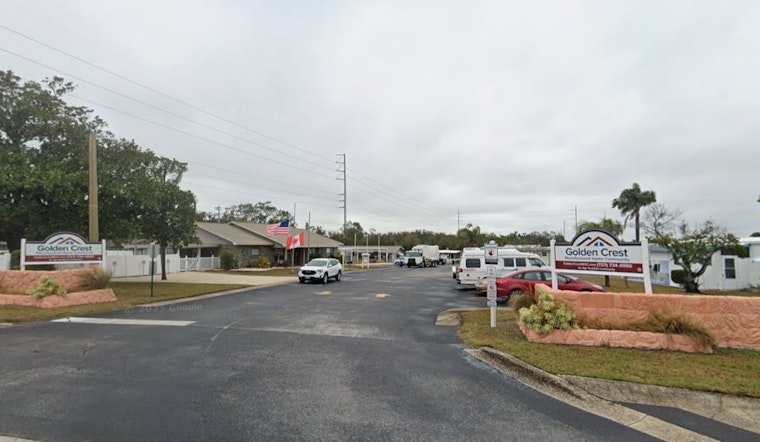
Flames from a battery-powered mobility device tore through a carport at a Dunedin mobile-home lot Tuesday morning, sending three people scrambling outside and drawing a fast response from Dunedin Fire Rescue. Crews knocked the fire down within minutes. No firefighters were hurt, and one resident who was checked at the scene chose not to go to the hospital. Several electric bicycles, an electric scooter and an electric tricycle were involved, a mix that firefighters say is a stark reminder of the punch modern rechargeable batteries can pack when something goes wrong.
According to department video and a local report, crews were dispatched around 8:25 a.m. to Golden Crest Mobile Home Park on Main Street after a call came in about an e-bike fire. The call was quickly upgraded to a structure fire when flames spread into the carport. IONTB posted the Dunedin Fire Rescue footage along with a summary from the scene, and a WTSP segment used that video to explain how lithium-ion cells can short-circuit and erupt into flames. Investigators told crews the fire’s origin did not appear suspicious, and damage was largely contained to the carport.
Why lithium batteries behave differently
Lithium-ion batteries store a large amount of energy in a small package and, if they are damaged, overcharged or crushed, they can enter thermal runaway, a chain reaction that creates intense heat and flammable gases. Public guidance from the National Fire Protection Association warns that these fires can be stubborn when it comes to ordinary suppression efforts and urges consumers to buy devices and batteries listed by a qualified testing lab and to follow manufacturer charging instructions. A swollen, hot or smoking battery is treated as an immediate safety hazard, not something to drop in the curbside bin. NFPA offers detailed tips for residents.
A regional pattern: 'hot loads' in garbage and recycling
Across Tampa Bay this spring, improperly discarded rechargeable batteries have sparked fast-moving "hot loads" inside trash and recycling trucks, forcing drivers to dump burning or smoldering piles in the street and sidelining expensive vehicles. Reporting has documented dozens of collection trucks damaged in recent months, and Hillsborough County officials say they have recorded roughly 30 battery-triggered truck fires over the past three years. These battery blazes turning garbage trucks into rolling firetraps have been the focus of recent coverage, while WUSF has highlighted local collection programs set up to keep problem batteries out of curbside carts in the first place.
Where to drop old batteries
Pinellas County and the City of Dunedin both urge residents not to place rechargeable or lithium-ion batteries in household trash or curbside recycling. Instead, they push people toward free drop-off centers and household hazardous-waste events. County guidance outlines which battery types are accepted and lists nearby drop-off locations, while Dunedin’s "Let’s Talk Trash" outreach points to recent close calls and the steep price tag when collection trucks are damaged. Before transporting used cells, local pages recommend taping battery terminals or sealing each one in its own bag to reduce the chance of short-circuits in transit. Pinellas County and the City of Dunedin pages walk residents through the drop-off procedures.
Fire departments' quick tips
Fire officials say the safest setup for e-bikes and other battery-powered gear is to charge them on hard, non-combustible surfaces, use only the manufacturer’s charger, avoid charging overnight and keep batteries away from bedrooms and exit routes. If a battery starts to swell, runs unusually hot, smokes or makes a hissing sound, they advise getting everyone out of the area and calling 911; crews are trained to handle the toxic smoke and thermal-runaway risks that come with these fires. For longer-term peace of mind, departments recommend buying devices certified by recognized testing labs and following NFPA consumer guidance on charging and disposal.
In Dunedin, crews’ quick work on Tuesday kept the fire’s damage and danger largely confined to a single carport, but officials say the scare is a clear reminder that everyday devices can turn hazardous when their batteries fail. Residents are urged to inspect, store and recycle rechargeable batteries carefully, and to check county and city websites if they are unsure where to take old packs. Local solid-waste programs can help identify safe disposal options for everything from power-tool batteries to the e-bike packs that started this latest alarm.





