

























































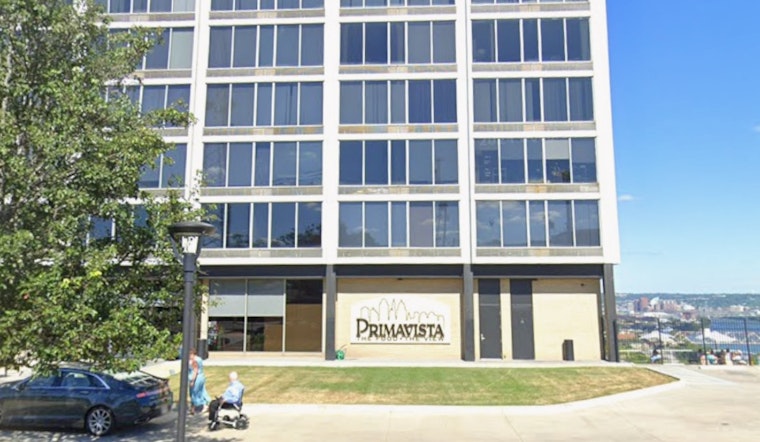
A smoky scare at one of East Price Hill's tallest addresses sent residents spilling out onto the sidewalk Saturday afternoon, after a fire in the underground garage at Queen's Tower pushed heavy smoke into the high-rise above. The blaze, which involved two vehicles, drew a major response from Cincinnati Fire & EMS, but crews had it under control in time for most tenants to be back inside by evening.
At least 80 firefighters and multiple trucks rushed to the 16-story building around 1:30 p.m., where two cars were burning in the parking garage beneath occupied floors, sending smoke into apartments, according to WKRC. Crews worked to knock down the flames, clear out the smoke, and systematically check the building before residents were cleared to return.
Only one person was taken out by paramedics and treated at the scene, and officials later allowed more than 200 residents to head back to their units. Investigators are still trying to pin down what started the fire, WKRC reported.
Where It Happened
Queen's Tower is a 16-story condominium building in Cincinnati's Incline District, with underground parking and roughly 122 units, according to listings on Homes.com. With cars parked directly under occupied floors, smoke from a garage fire has a relatively short path into living spaces, especially if doors, stairwells, or ventilation systems are compromised.
Why Garage Fires Threaten Residents
Fire-safety researchers note that modern vehicles and enclosed garages can make car fires more intense and faster-spreading, and that underground layouts in particular can trap toxic smoke that then migrates into apartments, according to analysis by the Society of Fire Protection Engineers. The NFPA Journal reports that changing vehicle materials and the rise of powerful batteries have led experts to push for sprinklers, stronger ventilation, and upgraded fire protection in enclosed parking garages.
What Tenants Should Watch For
Officials urged residents to follow firefighters' instructions and to seek medical care if they develop breathing problems, dizziness or a stubborn cough. Clinical guidance warns that carbon monoxide and smoke exposure can cause delayed or serious health effects and should be evaluated by a clinician when there is any doubt, according to the CDC. Building managers are typically responsible for coordinating cleanup, HVAC checks, and re-entry inspections with fire officials before the structure is fully reoccupied.





