

























































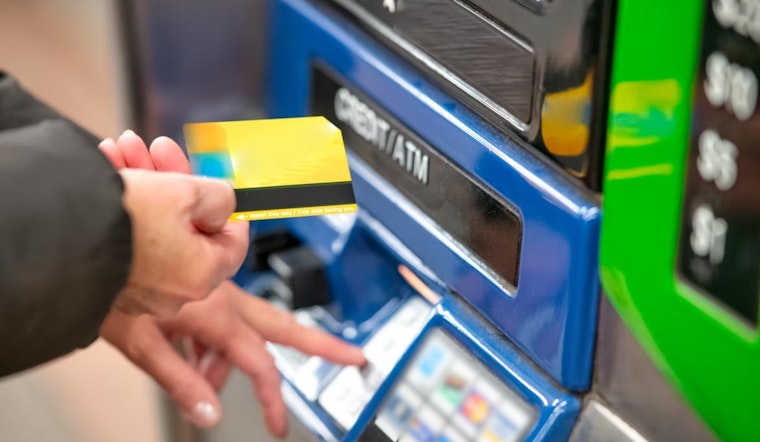
A scammer pretending to be a bank employee walked a Denver resident straight into a $9,500 loss, police say, guiding the victim through opening a new account, handing over online banking credentials, and even making a cash deposit using a mobile tap feature at an ATM. The victim later found out the bank could not reimburse the money.
In a Facebook post on May 23, the Denver Police Department broke down what happened during the April 14 scam and reminded residents that caller ID can be spoofed. According to the post, it all started with a text about a supposed $1,000 charge. The message told the recipient to reply with a simple “y” or “n” to approve or deny the transaction, then quickly escalated into requests for a Social Security number, home address, and online banking login.
From there, the imposter coached the victim through opening a new account and depositing cash at an ATM using a mobile tap feature, all under the guise of “securing” their money. By the time the dust settled, $9,500 was gone. Officers urged anyone who gets a similar text or call to treat it as suspicious and to report it to police and consumer protection agencies.
Red Flags To Watch For
Consumer protection guidance is blunt on this point: legitimate banks do not ask for your full username, password, or one-time authentication codes by text or over the phone, and they do not instruct you to hide conversations from branch staff. That warning is front and center on the Colorado Attorney General’s consumer site, StopFraudColorado, and is echoed by federal complaint tools such as ReportFraud.ftc.gov.
If someone who claims to be from your bank pressures you to move money fast, buy gift cards, or deposit or transfer cash in a way that feels secretive, officials say you should assume it is a scam until you can verify otherwise.
Not An Isolated Pattern In Denver
The department has been using its weekly “Scam Alert Saturday” posts to walk the public through real cases like this one, and they are not short on material. Recent local coverage has detailed other residents losing thousands to similar impersonation setups, including callers posing as bank staff or investigators and using spoofed numbers, urgency, and intimidation to force quick payments.
For one recent example of how these schemes play out, see Denver cops sound alarm on an $8,500 gift card and banking scam. The playbook looks familiar: fake authority, high pressure, and little time to think.
Scams Are A Growing National Problem
Federal data show that what is happening in Denver is part of a much bigger trend. Imposter scams were the top reported fraud category nationwide and accounted for billions in losses in 2024, according to the U.S. Government Accountability Office, which drew on Federal Trade Commission Consumer Sentinel reports.
National watchdogs have also noted that scammers constantly tweak their tactics, shifting from gift cards to cryptocurrency to rapid mobile transfers as banks and consumers wise up to older tricks. That is a big reason local police and consumer agencies keep pushing for immediate reporting and careful record keeping when something feels off.
What To Do If You Or Someone You Know Is Targeted
If a call or text about your bank account feels even slightly wrong, hang up or stop responding. Do not share login information, security codes, or personal details, even if the caller ID looks like your real bank or the message uses the bank’s logo.
Instead, call the number printed on the back of your debit or credit card, or use the official number on your bank’s website, and explain what happened. Then file complaints with federal and state consumer tools at ReportFraud.ftc.gov and StopFraudColorado. Save screenshots, texts, emails, and receipts, and contact the Denver Police non-emergency line at 720-913-2000 if you received a similar message or call.
Legal Note
Once money is moved out of your account, getting it back can be very difficult if you technically authorized the transfer, even under pressure. Banks and investigators can sometimes trace the path of funds, but reversals are not guaranteed.
Financial institutions and consumer advocates consistently stress that reporting suspicious transactions to your bank and to authorities right away gives you the best chance at recovery and helps law enforcement spot patterns across cases. That advice is echoed in bank security guidance from community institutions such as Citizens Bank, which urges customers to act quickly and document everything when fraud is suspected.





