

























































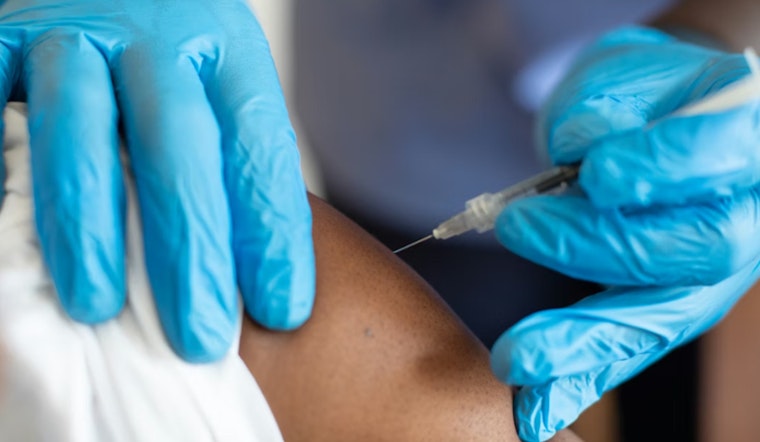
The Food and Drug Administration is sitting on its own reassuring vaccine data, and it is setting off alarms in Washington. This year, the agency has blocked publication of multiple internal studies that found serious side effects from widely used COVID-19 and shingles vaccines were rare. The analyses, run by FDA scientists using large medical databases and paid for with public money, were either withdrawn after submission or never cleared for conference or journal review. Once those decisions surfaced in national coverage on May 5, long-simmering questions about how HHS and the FDA handle internal science boiled back up.
In a statement to ABC News, an HHS spokesperson said, "The studies were withdrawn because the authors drew broad conclusions that were not supported by the underlying data," adding that the FDA acted to protect the integrity of its scientific process. For now, that remains the administration's official line on why the work was pulled.
According to reporting, the shelved projects relied on millions of patient records and millions of taxpayer dollars, with both career agency researchers and outside data firms involved in the work. As detailed by The Guardian, the timeline tracks earlier accounts that several of the papers had already been earmarked for peer review or conference presentation before being stopped.
What the studies showed
One FDA review used Medicare data for roughly 7.5 million older adults, zeroing in on a short period after vaccination and scanning for about a dozen potential safety problems. Investigators reported that anaphylaxis was the only clear safety signal and that it occurred at a very low rate.
A second analysis, covering about 4.2 million people ages six months through 64, looked for outcomes such as seizures and myocarditis. That work also turned up only rare events, according to The Guardian's summary of the reporting. Taken together, the blocked studies described serious adverse events after COVID-19 and shingles vaccination as uncommon.
How publication was blocked
As reported by The Guardian, which cites the initial coverage, authors were instructed in recent months to withdraw two COVID-related papers that had already been accepted for publication in medical journals. At the same time, FDA officials did not sign off in time on abstracts detailing Shingrix (shingles) research for submission to a major drug-safety conference.
A senior HHS official told reporters that "the design of that study fell outside the agency's purview," a characterization that agency spokespeople have pointed to in defending the holds.
Why scientists and officials are worried
Public-health researchers say that blocking findings which have been accepted or nearly accepted for publication undercuts transparency and the normal scientific vetting that clinicians and health departments rely on. The episode comes on the heels of other recent pauses on vaccine research inside federal health agencies, including a CDC study of vaccine effectiveness that was pulled from MMWR earlier this spring, as reported by The Washington Post. Taken together, those moves have fueled broader concerns about how vaccine evidence is reviewed and released to the public.
What to watch next
Federal scientists and outside journals still have potential avenues to share methods and data, even if the original manuscripts remain on ice, and congressional oversight is likely to push for more detailed explanations as the story develops.
For local readers, Hoodline has previously reported on similar delays in CDC reporting and the strain those pauses place on hospitals and health departments. For more background, see our earlier piece, "CDC Boss Hits Pause," which walks through how data bottlenecks play out on the ground. Hoodline will update this article as agencies or journals release additional information.





