

























































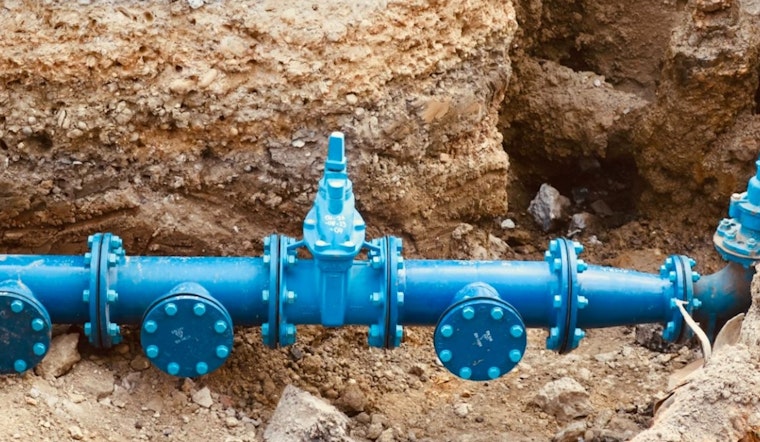
California is getting about $27.5 million in new federal cash to track down and rip out toxic lead pipes that deliver drinking water to homes, part of a nearly $2.9 billion nationwide push the Environmental Protection Agency rolled out this week. The money targets lead service lines, the pipes that run from the street into houses, and arrives as federal regulators put water systems on a 10-year clock to find and remove those lines. State and local water agencies will send the funds through California’s Drinking Water State Revolving Fund for inventories, planning and actual pipe replacements.
Federal allocation and California’s share
The EPA package totals nearly $2.9 billion and is being distributed using the best available data on the location of roughly 4 million lead service lines, and the agency is also redistributing $18 million in previously unused funds, according to the EPA. The agency’s FY2026 allotment table lists California’s grant at $27,456,000, or about $27.5 million, which will move through the state’s Drinking Water State Revolving Fund for projects that identify and remove lead service lines. Federal officials say the money can cover inventories, planning, community outreach and the replacements themselves, all framed as key steps to protecting children from lead exposure.
California’s inventory: few confirmed lines, some unknowns
California’s State Water Resources Control Board says its new, publicly searchable map shows no confirmed lead service lines among nearly 10 million reported service connections, though about 600,000 entries are tagged as “unknown” and still need follow-up, per the State Water Resources Control Board. That big pool of “unknowns” is where this federal money comes in handy, paying for on-the-ground inspections and sampling so utilities can finally classify those lines and act on what they find.
A 10-year clock and what it means
The replacement push is being driven by the final Lead and Copper Rule Improvements, a federal rule finalized in 2024 that requires many water systems to remove lead service lines within 10 years, as outlined in the final rule published in the Federal Register. “Getting the lead out of pipes is vital to the health and prosperity of children and families in communities all across America,” EPA Pacific Southwest Region Administrator Michael Martucci said in a statement reported by the Los Angeles Times.
What residents should know and do
Local utilities will set their own timetables and pick which neighborhoods go first, and many programs are designed so low-income households can get help covering the cost of private-side replacements. Californians who want to see how their address stacks up can check with their water utility or pull up the State Water Board’s interactive map to see whether their service line is listed as known, unknown or lead, then ask about local replacement plans and any available financial assistance.





