

























































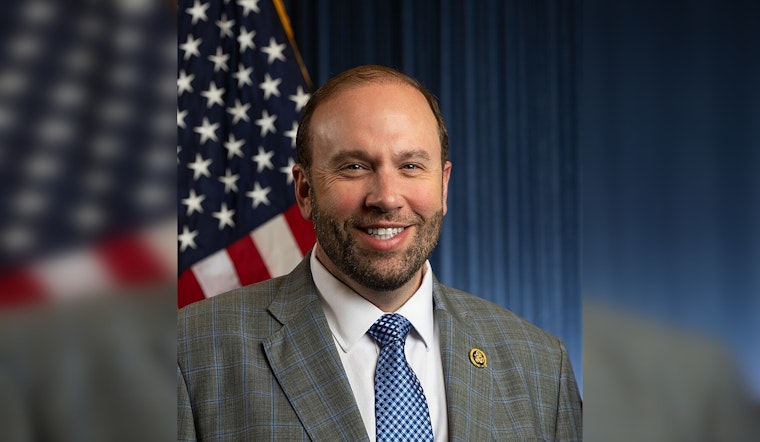
Uncle Sam is finally picking up a chunk of Missouri’s pandemic tab. Rep. Jason Smith has announced that FEMA Public Assistance grants totaling about $280 million have been set aside to reimburse hospitals for costs they swallowed during the COVID-19 emergency. The package specifically calls out Missouri Delta Medical Center in Sikeston and Southeast Hospital in Cape Girardeau, which Smith said received about $2 million and $3.5 million, respectively. The money is intended to ease financial strain on rural and regional providers that shouldered pandemic surge costs when their communities needed beds most.
Smith highlighted the awards in Washington on May 3, praising local providers for stepping up when COVID-19 hit. “Missouri hospitals stepped up during COVID‑19 and took on enormous costs to keep their communities safe and healthy,” he said. In a press release via Rep. Jason Smith’s office, he credited recent federal action for finally getting the money to Missouri providers and called the awards “meaningful relief.”
Which hospitals were named
Two southeast Missouri facilities were singled out by name in the latest funding round: Missouri Delta Medical Center in Sikeston, tagged for about $2 million, and Southeast Hospital in Cape Girardeau, slated for about $3.5 million. Those recipient figures and the roughly $280 million statewide total were reported locally by Ozark Radio News, which republished the congressman’s announcement. Both hospitals serve large rural catchments and are described as regional lifelines for southeast and south‑central Missouri.
How the Public Assistance program works
FEMA's Public Assistance program is essentially a reimbursement pipeline for communities hit by major disasters. It helps state, local and certain nonprofit health providers recoup documented emergency costs, including some tied to COVID‑19. Applicants have to document eligible charges and follow federal compliance rules to qualify. According to FEMA, the program provides supplemental grants to help communities respond and recover after major disasters and emergencies. Because the awards come with reporting and audit obligations, money that looks impressive in a press release can still take weeks or months to show up in a hospital’s operating budget.
Where this fits in the bigger picture
The Missouri grants are part of a larger burst of Public Assistance approvals across the Midwest. FEMA recently signed off on more than $400 million for recovery projects in Iowa, Kansas, Missouri and Nebraska, including several healthcare‑related awards, KOLN/10/11 Now reported. For rural hospitals already juggling tight budgets and ongoing staffing headaches, reimbursements for documented pandemic costs are a welcome, if partial, shot in the arm. “I’m proud to see this relief finally reach the hands of the hospitals that earned it,” Smith said in his release.





