

























































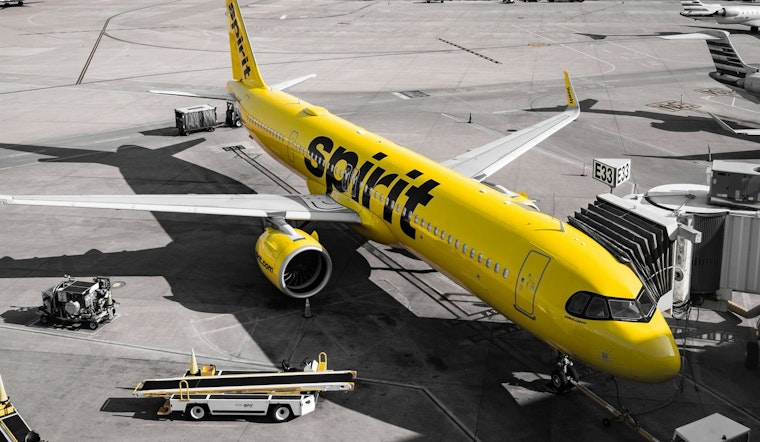
Federal regulators signaled Thursday, May 28, 2026, that the prized LaGuardia operating slots vacated by Spirit should either go to a low‑cost carrier or be retired, a rare federal nudge aimed at boosting competition at the city’s tightest airport. FAA Administrator Bryan Bedford said the FAA and the Department of Transportation would back reallocating the windows if doing so served the public interest, as New York and the industry continue to absorb the fallout from Spirit’s abrupt shutdown earlier this month.
As reported by Bloomberg, Bedford told reporters in Charleston, South Carolina: "as long as the slots are going to a low‑fare airline and for the public good, the FAA and DOT would support that." The remark signals a willingness by federal regulators to lean on their discretionary authority when high‑value slot packages change hands. While it is not a binding decision, the comment publicly frames the agency’s approach as one that could tilt toward new, low‑fare entrants over incumbents.
Spirit’s sudden wind‑down on May 2 left its LaGuardia gates and operating windows tied up in bankruptcy and court filings, and it emptied out the Marine Air Terminal at LGA, as The Guardian reported. That vacancy turned a busy summer schedule into a set of open peak‑hour slots that airlines, the carrier’s estate and regulators now have to sort through. The immediate shuffle carries operational consequences for travelers, airport workers and the Port Authority as carriers reallocate capacity.
How the FAA Can Reassign Slots
The FAA administers slot controls at LaGuardia and sets out procedures for transfers, waivers and recapture under its slot administration framework. FAA documents describe use‑it‑or‑lose‑it rules, limited waivers and the mechanics for trading or returning slots, tools the agency can use to prioritize allocations that serve competition or the public interest. Any reallocation will also need to line up with bankruptcy rulings and terminal lease arrangements overseen by the Port Authority.
Why Regulators Might Favor Low‑Fare Carriers
Policy makers have long pointed to Department of Transportation analyses showing that the entry of low‑fare carriers often pushes down prices and stimulates travel, a dynamic sometimes called the "Southwest effect." Work cited by the DOT has referenced similar findings in GAO reviews of competition at constrained airports. For New Yorkers who rely on budget options for domestic trips, shifting scarce peak‑hour capacity toward low‑fare operators could expand affordable choices on routes that were once Spirit strongholds.
What Comes Next for LaGuardia Travelers
There is no single, immediate fix. Any sale, auction or reassignment of former Spirit slots will move through bankruptcy procedures, FAA review and Port Authority logistics before new service appears on summer schedules. Reporting on the empty Marine Air Terminal has underscored how quickly terminals can go quiet when a tenant vanishes, and why the stakes are both operational and political. In the weeks ahead the FAA, DOT and the Port Authority are expected to weigh filings and proposals that could reshape who flies to and from LaGuardia this summer.





