

























































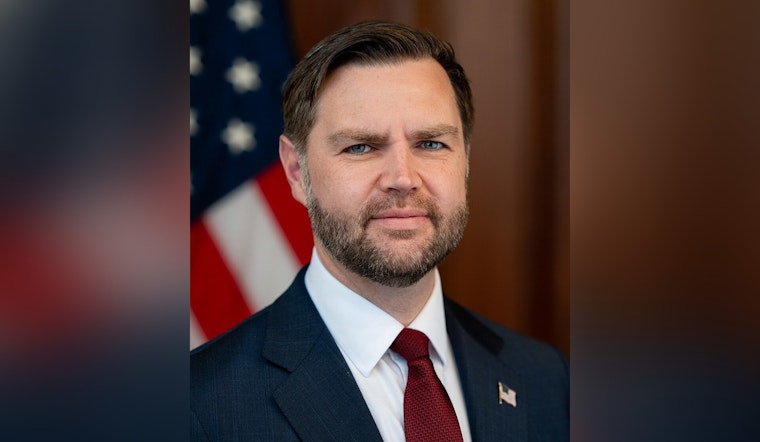
Hawaii’s Medicaid fraud watchdog is getting an uncomfortable second look from Washington after a national crackdown put the state’s enforcement record under a harsh spotlight. Vice President J.D. Vance publicly dressed down Hawaii’s Medicaid Fraud Control Unit, and federal reviewers have flown back to the islands for an on-site inspection. State leaders insist the unit is cooperating, pointing to recent settlements and recoveries as proof that the wheels are turning.
Federal pressure in a nationwide crackdown
At a May 13 news conference, Vice President J.D. Vance warned that the federal government could defer or withhold Medicaid reimbursements from states that do not aggressively pursue suspected fraud. The administration also rolled out targeted actions in several states as part of a bigger push to rein in billions in questionable Medicaid payments. That national campaign was reported by AP and The Washington Post.
State officials push back
Hawaii Attorney General Anne Lopez has pushed back on Vance’s remarks, calling his characterization of the unit unfair. She has highlighted the Medicaid Fraud Control Unit’s recent work, saying it has “secured or helped secure” more than $14 million since 2021 through recoveries and related actions. Lopez and MFCU leaders told federal reviewers the unit has filed criminal charges this year and is moving to strengthen its investigations and prosecutions.
Local coverage notes the MFCU handled nearly 400 investigations in the most recent year, a number state officials say reflects both heavy workload and complex cases rather than a lack of effort. Those comments and counts were detailed by Hawaii News Now.
Longstanding federal concerns
Federal unease about Hawaii’s unit is not new. A 2019 on-site review by the U.S. Department of Health and Human Services Office of Inspector General found “low case outcomes” and operational problems going back to 2016 through 2018, and it noted that earlier reviews in 2015 had raised similar issues.
The HHS OIG pointed to a thin pipeline of solid referrals from state Medicaid staff, limited data-mining capacity, and referrals that pulled investigators toward lower-value abuse complaints. According to that report, those structural issues help explain why federal reviewers returned to Hawaii this spring for another close look at how the unit operates.
Where the money and cases stand
Hawaii’s MFCU operates on a relatively modest budget. Its federal grant covers about 75 percent of costs, with a state match bringing total funding for fiscal year 2026 to roughly $3.9 million, including a federal share of about $2.93 million.
By contrast, the state’s broader Med-QUEST program pays out billions each year, about $3.2 billion last year, and covers roughly 387,000 residents. Federal officials look at that scale when deciding whether a state has put enough resources into fraud enforcement.
Those funding and enrollment numbers frame the debate over whether the MFCU has the staffing and tools it needs to turn hundreds of investigations into solid criminal cases. Budget and program details are laid out by the Department of the Attorney General and in coverage from The Garden Island.
Why prosecutions have lagged
Reviewers from the HHS OIG say the gap between investigations and criminal prosecutions usually comes down to evidence. To win in court, prosecutors must prove intent, which in turn depends on stronger data, cleaner referrals and witnesses who are willing to cooperate.
The federal reviews also flagged cultural and logistical challenges specific to a small island state. Among them, a reported tendency among some local stakeholders to shield familiar providers, which can make it tougher to assemble courtroom-ready cases. Those operational constraints help explain the wide swings in recoveries and convictions from year to year that Hawaii has reported in recent times.
What comes next
The Attorney General’s office says it took part in an HHS OIG on-site review in April and has already begun recruiting additional investigators and rolling out corrective steps that federal reviewers identified. With Washington warning that Medicaid funds could be cut or delayed for units that underperform, Hawaii officials say they plan to work with the inspector general’s office to tighten referrals, improve data analytics and strengthen prosecutions, while continuing to defend the unit’s recent settlements and recoveries.
National watchdog data indicate this latest federal push is part of a broader effort to raise Medicaid fraud enforcement standards in all 50 states, not just in Hawaii. Details on the state’s response are included in materials from the Department of the Attorney General.



.jpg)