

























































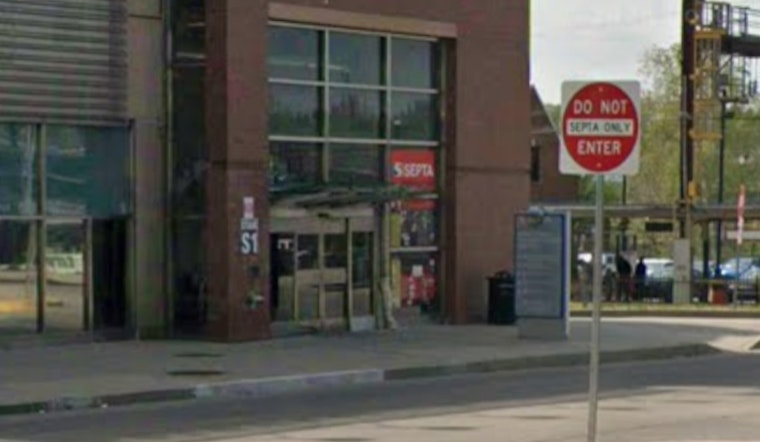
Federal crash investigators say the May 11, 2025 Norristown wreck laid bare a SEPTA train control design that leaves safety riding on one person at the controls. According to the National Transportation Safety Board, the operator became disengaged just before a light rail car hit the bumper at the end of Track 1 at the Norristown Transportation Center, and the system’s automatic protections never kicked in. The impact injured nine passengers and the operator, and two riders were seriously hurt.
According to a Railroad Investigation Report by the NTSB, the collision occurred at 9:45:15 a.m. when northbound light rail vehicle 153 ran into an end‑of‑track bumping post. The agency says there were 15 passengers and one operator aboard; nine passengers and the operator sustained minor injuries and two passengers suffered serious injuries, and SEPTA estimated roughly $920,000 in equipment damage. Investigators recovered event‑recorder and camera data, tested braking performance and reviewed signal and radio records as part of the probe.
What the NTSB found
The NTSB determined the probable cause was the train control system’s design and configuration, which created a “single point of failure” by relying on operator engagement to stop trains, the report says. When the operator “became disengaged from his duties for unknown reasons and failed to apply the vehicle’s brakes,” the automatic train control could not detect the imminent collision and intervene. The board said transmission‑based train control (TBTC) or equivalent continuous train‑to‑wayside systems would eliminate that single‑operator vulnerability.
SEPTA's emergency response changes
Federal investigators also flagged gaps in how information moved between SEPTA dispatchers and local responders during the incident, noting that crews did not know the extent of injuries until after they arrived. As reported by 6abc, the agency says SEPTA has made changes intended to speed information sharing with emergency personnel. The NTSB noted that tools such as live camera feeds and clearer dispatcher protocols could help first responders size up scenes faster.
What SEPTA did after the crash
Investigators detailed a string of post‑accident steps SEPTA took, including an operations bulletin on May 22, 2025 that reduced the maximum authorized speed near Norristown from 15 mph to 5 mph and the installation of trip stops near the ends of the tracks. Railway Age reports SEPTA also sent a system‑wide broadcast to employees, added camera and event‑recorder inspections to its LRV inspection program, revised dispatcher communication policies to pull live surveillance feeds and estimated arrival times for responders, and began training programs with local fire departments beginning in October 2025. The NTSB cautioned that some of those fixes, such as trip stops placed very close to the bumping posts, may not fully mitigate a system that still depends on operator vigilance.
Why this matters for riders
The board’s findings revive a long‑running safety debate about whether transit agencies should move from operator‑dependent controls to continuous, transmission‑based systems. That recommendation, already raised by the NTSB in past safety letters, would require investment and regulatory action to roll out broadly across transit systems. Local context matters: the M Line still runs older N‑5 railcars and has recently been affected by infrastructure work such as the Bridgeport Viaduct rehab this spring, which was covered as a major service disruption for Norristown riders. That report noted the work has already tightened schedules and put extra pressure on an aging corridor.
For now, the NTSB’s report places pressure on SEPTA and federal regulators to decide whether procedural fixes are enough or whether stronger, continuous train control systems are required to prevent a repeat of the Norristown collision. Riders and local officials will be watching whether the agency’s short‑term fixes are followed by a broader plan to remove the “operator‑as‑last‑line‑of‑defense” configuration the NTSB called out.



