

























































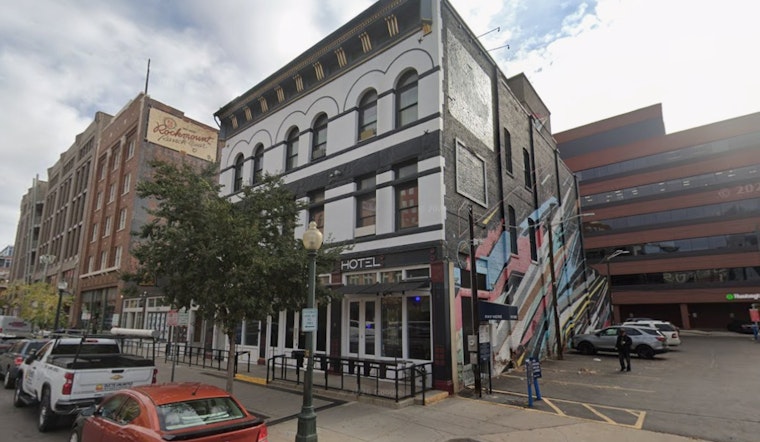
Federal prosecutors say the former owner of Denver's Nativ Hotel did more than just struggle through the pandemic. According to a newly unsealed superseding indictment, they allege he falsified financial records to land a $6.7 million commercial loan, then used a web of accounts to move money into nightlife ventures and personal expenses. The filing names Amin Suliaman and co-defendant Gretchen Horst and tacks on money-laundering and additional bank-fraud counts to an already active criminal case. Both have denied wrongdoing in court papers, and their defense teams are firing off motions that challenge how prosecutors are trying to stitch the story together. It is the latest turn in a multi-year federal probe into suspected pandemic-loan and bank-fraud activity tied to the downtown hotel.
What the indictment alleges
As reported by BusinessDen, the superseding indictment unsealed in early May accuses Suliaman of fabricating financial statements to secure a $6.7 million loan for the Nativ Hotel in 2020, then adds two counts of money laundering and two counts of bank fraud on top of earlier charges. Prosecutors say Suliaman and Horst also pursued Economic Injury Disaster Loans for property-management companies that were already closed, and that roughly $300,000 in pandemic relief was used to cover hotel payroll, travel, and rent. Other funds, they allege, were routed into nightlife operations in Texas. The indictment asks a judge to let the government seize what it describes as ill-gotten gains through forfeiture.
Where this fits in the wider probe
The U.S. Attorney's Office in Denver first charged Suliaman in May 2024 with wire-fraud counts tied to about $450,000 in Economic Injury Disaster Loans, according to a press release from the office. U.S. Attorney's Office filings state that the loans were requested for businesses that were inoperable or had already been reported closed in court documents. As Denver7 has reported, the case is one piece of a broader crackdown, with Colorado prosecutors investigating dozens of suspected fake pandemic-relief claims as part of a multi-jurisdictional push to claw back relief money.
Defense pushes back
Defense lawyers for Suliaman and Horst have responded with a counteroffensive on paper, filing motions that dispute key parts of the government's conspiracy theory and ask a judge to toss portions of the case, according to the court record. The defense has argued that prosecutors cannot legally or factually link the two defendants in the way the indictment describes and insists the evidence will come up short at trial. Both remain free on pretrial conditions and, as in any criminal case, are presumed innocent while the federal court process plays out.
Legal stakes
The added counts in the superseding indictment come with serious federal exposure. The bank-fraud statute, 18 U.S.C. § 1344, allows for fines and prison sentences that can reach up to 30 years in some circumstances, and federal money-laundering law, 18 U.S.C. § 1956, carries its own set of steep penalties. Those statutes outline the potential prison terms, fines, and the legal framework for forfeiture and restitution in fraud and money laundering cases. If a jury were to convict on multiple counts, the combined statutory maximums and any consecutive sentences could add up to decades behind bars, and prosecutors routinely seek forfeiture of alleged criminal proceeds and substitute assets in cases like this.
What’s next
The superseding indictment was unsealed in early May, and the case now moves deeper into the pretrial phase in federal court. Expect more motions, potential fights over what evidence the jury will get to see, and scheduling orders that map out how quickly the case heads toward trial. Both sides have signaled in their filings that they plan to aggressively contest the facts and the legal theory long before a jury ever hears about the Nativ Hotel's pandemic-era finances.





