

























































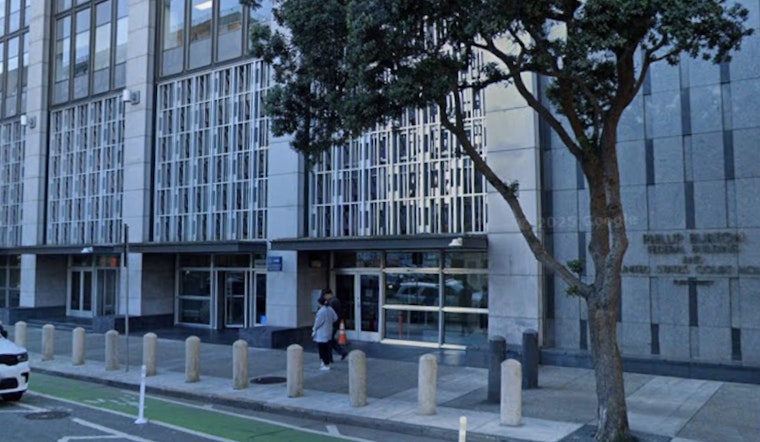
Feds Say Tennessee Trio Terrorized Bay Area And LA Crypto High-Rollers
Federal prosecutors say three men from Tennessee turned California crypto holders into targets during a series of violent home invasions across the Bay Area and Los Angeles, posing as delivery workers, storming through front doors and forcing victims to unlock their digital wallets at gunpoint.
Investigators allege the crew showed up with fake pizza, packages and coffee, then used firearms, zip ties and duct tape to restrain residents while accomplices moved money out of their accounts. Two of the suspects were arrested in Los Angeles and a third was taken into custody in Sunnyvale. All three are now being held in federal custody.
Federal update and charges
According to the FBI San Francisco, the defendants, identified as Elijah Armstrong, Nino Chindavanh and Jayden Rucker, face charges of conspiracy to commit Hobbs Act robbery, conspiracy to commit kidnapping, attempted Hobbs Act robbery and attempted kidnapping.
#FBI CASE UPDATE: Three men have been indicted on robbery, kidnapping, and conspiracy charges related to a $6 million cryptocurrency robbery spree throughout the Bay Area and LA. Elijah Armstrong, Nino Chindavanh, and Jayden Rucker - all from Tennessee- were charged on Conspiracy… pic.twitter.com/mIQQKjS3K2
— FBI SanFrancisco (@FBISanFrancisco) May 11, 2026
The bureau says co‑conspirators transferred roughly $6 to $6.5 million in cryptocurrency over the course of the scheme and confirms that all three men are in federal custody. Armstrong and Rucker are scheduled to return to court on Tuesday for appointment of counsel before U.S. Magistrate Judge Thomas S. Hixson. Chindavanh is due in late June for a status hearing before U.S. District Judge Trina L. Thompson.
How investigators say the ring operated
The alleged playbook, laid out in court records and victim accounts reported by the San Francisco Chronicle, leans heavily on low‑tech trickery in service of high‑tech theft. Prosecutors say the men showed up at homes in roles that would not raise suspicion, such as pizza, package or coffee couriers, waited for residents to open the door, then forced their way inside.
Once in, victims were allegedly bound with zip ties and duct tape and ordered to hand over login credentials and access to devices. In one San Francisco incident, court filings and victim statements describe pistol‑whipping and threats to cut off fingers before attackers accessed phones or computers and moved large sums out of crypto wallets.
Investigators say it did not take Hollywood‑level forensics to connect the dots. Police point to surveillance video, burner‑phone records and carefully staggered delivery orders that appeared across multiple scenes, linking home invasions in San Jose, Sunnyvale and Brentwood, Los Angeles, to the same group and eventually to the named suspects.
A rising pattern in crypto thefts
Security analysts say what played out in California tracks with a broader worldwide rise in so‑called “wrench attacks,” where criminals skip complex hacking and instead rely on physical threats to pry loose passwords or private keys.
CertiK reports in its Skynet analysis that it verified 72 wrench attacks in 2025, an increase of about 75 percent compared with the previous year, and warns that kidnappings and violent assaults tied to digital assets are becoming more common. Analysts at TRM Labs have issued similar alerts about record activity over the same period.
Blockchain tracing tools can sometimes follow the movement of stolen funds and help claw back money, but quick transfers across multiple wallets and borders can make recovery slow, partial or impossible.
What's next in court
From here, prosecutors will press forward in federal court on the indictment that has already been filed, while the defendants remain detained as attorneys are appointed and pretrial schedules are hammered out. According to FBI San Francisco, investigators are still pursuing potential additional players who may have helped organize or carry out the operation and are working with local agencies in each of the affected jurisdictions.
Authorities have asked anyone with information about the robberies to contact the relevant agencies, a request echoed in court filings and related reporting.
Legal implications
The stakes are high. The Hobbs Act robbery counts and federal kidnapping allegations carry significant potential prison time if the government secures convictions, and prosecutors may also seek forfeiture of any proceeds they say can be traced on‑chain.
In the coming months, judges will decide whether the defendants remain detained, whether a superseding indictment adds or refines charges and whether more alleged co‑conspirators are brought into the case as the multi‑agency investigation continues.




