

























































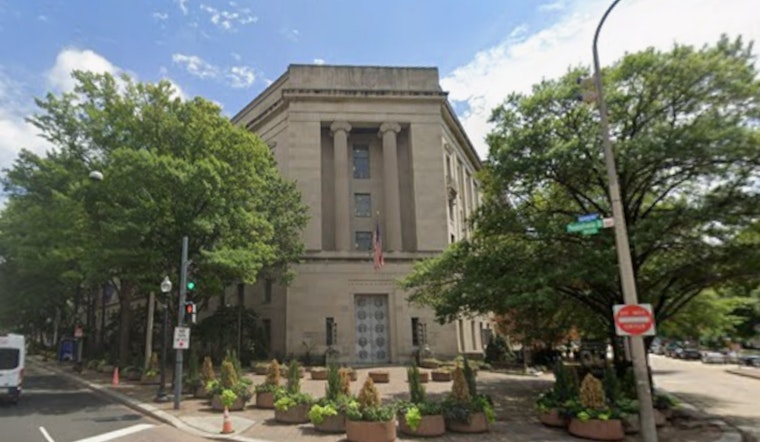
The U.S. Department of Justice has taken Maine to federal court, accusing the state of illegally blocking new “confidential” license plates for federal immigration and law-enforcement vehicles and putting undercover work at risk. In a complaint filed Wednesday, the DOJ says Maine’s Bureau of Motor Vehicles adopted a policy that discriminates against federal officers, undermines undercover operations and threatens both officer safety and investigative effectiveness. The case is part of a broader push by the department this week targeting states that have restricted undercover plates for federal agents.
According to the Department of Justice, the lawsuit names the State of Maine and three state officials in their official capacities and asks a federal judge for declaratory and injunctive relief. Federal lawyers argue that Maine revised its confidential-plate program to require federal agencies to certify that vehicles would not be used for civil immigration enforcement, a condition the complaint says unlawfully targets the federal government under the Constitution’s Supremacy Clause. The filing also warns that traceable plates could allow suspects to identify or track agents and "put federal law enforcement officers at risk."
Why Maine paused new plates
State officials say the pause began in January after the Bureau of Motor Vehicles received a confidential-plate request from U.S. Customs and Border Protection and was intended to ensure Maine plates would not be used for civil immigration operations without additional safeguards, as reported by the Portland Press Herald. The administrative halt did not cancel plates already in circulation but stopped new issuances while the state updated its application and review process.
State pushes back
Maine Attorney General Aaron Frey formally rejected DOJ’s demand in a May 22 letter, arguing that the confidential-plate program is authorized by state law and does not discriminate against federal agencies. In a response posted by the Secretary of State’s office, Frey noted that the BMV granted confidential-plate requests from eight federal agencies this year, issuing 48 plates since Jan. 6, and that there are "currently 132 confidential plates issued to federal agencies in Maine." He said those numbers show the program is designed to prevent misuse while still allowing legitimate undercover work.
Frey urged the DOJ to talk it out instead of heading straight to court, asking the department to engage in discussions rather than immediately seek judicial intervention. His letter and the updated application form are attached to the state’s formal reply.
DOJ’s legal theory
Before filing suit, DOJ lawyers warned Maine officials in a May 12 letter that the attestation requirement, which forces federal agencies to promise that plates will not be used for civil immigration enforcement, was "deeply dangerous" and "blatantly unlawful," language the department repeats in its court filings. The department argues the attestation singles out federal officers while leaving similarly situated state and local agencies untouched, a difference DOJ says violates longstanding Supremacy Clause precedent.
The May 12 warning letter gave Maine until May 22 to rescind the policy. When the deadline passed without changes, the department moved ahead with the lawsuit.
A national pattern
The Maine case is one of several suits DOJ filed this week challenging state rules that curb undercover plates for federal officers. As reported by the Associated Press, the department has launched parallel cases against other states, framing the litigation as an effort to stop state governments from obstructing federal law-enforcement functions.
Bellows doubles down
Secretary of State Shenna Bellows defended the pause in a May 22 statement on her office’s website, saying, "When ICE asked for confidential license plates, I said no. We don't have secret police in a democracy, and covert civil immigration enforcement is not something Maine will facilitate," and emphasizing that the pause did not revoke existing plates. Bellows and other state officials say the changes are meant to protect residents and ensure confidential plates are not misused.
Local reaction
The move has divided opinion in Maine. Immigrant-rights advocates and some Democrats have praised the pause as a safeguard for vulnerable communities, while law-enforcement officials and some Republican leaders warn it could complicate investigations, according to Maine Public. That split mirrors debates in other states where DMVs and governors have limited plate issuance amid concerns about ICE operations.
The complaint asks the U.S. District Court for the District of Maine to declare the attestation requirement invalid and to block its enforcement, setting up a federal test case over how far states can go in regulating license plate issuance without running afoul of federal supremacy. Both sides now await scheduling orders and the start of briefing as they prepare to argue their positions in court.




