

























































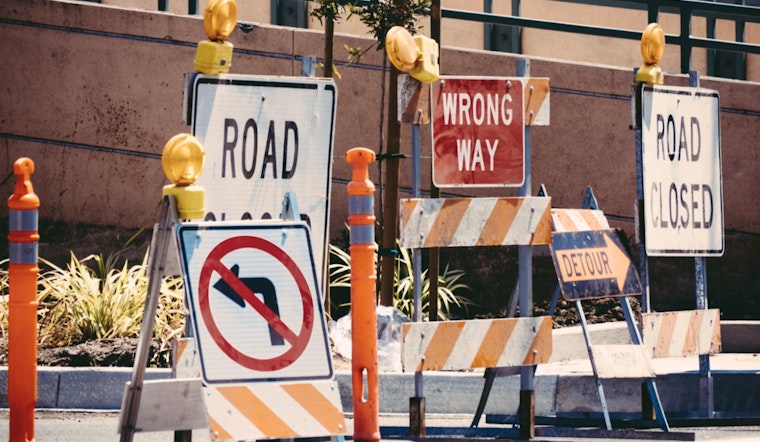
New Orleans is set to get a brief breather from FEMA that will keep road crews on the job in the city’s long-delayed street repair push, city officials said Wednesday. The short-term reprieve would cover part of a roughly $1.7 billion post-Katrina road rebuilding program that still has about $500 million available to spend. City leaders say the move lowers the immediate risk that work will grind to a halt across neighborhoods, but many projects are still racing the clock.
Louisiana Legislative Auditor Mike Waguespack told the City Council that FEMA officials indicated the current Dec. 31 spending deadline would be extended into midyear, and state documents show roughly $500 million of the grant remains unspent, according to WDSU. City staff told council members the extension would apply only after the city, state and FEMA finalize a prioritized list of projects the agency will allow to continue.
Mayor Helena Moreno, who took office in January, called the extra time “a short-term win” and posted that “we live to fight another day” after FEMA’s letter circulated, WVUE-Fox 8 reported. The FEMA letter reportedly offered a six-month “period of performance” extension through July 1, 2026, and officials say it leaves the door open for further extensions if reporting and progress requirements are met.
About the JIRR program
The funds are part of the Joint Infrastructure Recovery Request (JIRR), the post-Katrina settlement that has underwritten a generation of street, sewer and drainage repairs across the city. The Moreno administration’s 100-Day Action Plan and other city materials note the FEMA portion is about $1.7 billion, while RoadWork NOLA and related grants and bonds push the total program toward $2.3 billion. The city has formally requested a longer extension through 2028 to finish remaining phases. See the city’s plan for background: City of New Orleans.
Which projects could be cut?
FEMA officials have told auditors they will prioritize work that can be completed quickly and may remove projects that have yet to start, which could force the city to choose where to focus limited time and money. Louisiana auditor Mike Waguespack warned some projects “can’t be wrapped up in six months,” and council materials show the city authorized roughly $50 million in road contracts even without a fully executed extension, a step that could create risk if FEMA disallows costs, according to New Orleans CityBusiness.
What to expect in neighborhoods
Active, contracted work should continue while FEMA and city staff sort which projects qualify for the extension, but residents in areas where work has not started should brace for delays or cancellations. The city directs people to the RoadWork NOLA dashboard for block-by-block maps and schedules and says DPW will post updates as negotiations with FEMA proceed. See the city’s project notices for more on how work is being coordinated: City of New Orleans.
Officials emphasized the extension is a temporary fix and that formal, written confirmation from FEMA will be needed to lock in timelines and reimbursement eligibility, WWLTV reports. Until FEMA signs off on which projects remain eligible, neighborhoods and contractors will be waiting on a final list that decides who finishes and who waits.





