

























































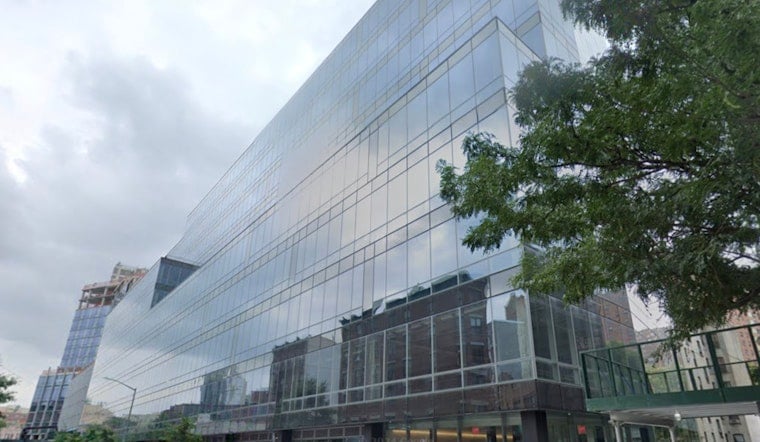
The Taystee Lab Building at 450 West 126th Street, once touted as roughly a $700 million centerpiece of West Harlem’s life sciences push, is now staring down a foreclosure action tied to a loan of about $50 million. The reversal is a sharp turn for a complex that was supposed to anchor the neighborhood’s biotech ambitions, not end up in a courtroom drama.
According to Crain's New York Business, a lender has moved to foreclose on a loan tied to the property that totals roughly $50 million. The filing immediately cranks up the pressure on the building’s ownership and investors, who once held up the project as a major city-backed bet on Harlem’s future in cutting-edge research.
A prized lab campus in West Harlem
The Taystee Lab Building is an 11-story, roughly 350,000-square-foot complex developed by Janus Property Company with backing from JP Morgan Asset Management and promoted as a roughly $700 million investment. Janus’s Factory District lists the site at 450 West 126th Street and highlights lab-grade infrastructure and public space, while industry coverage chronicled a March 2022 ribbon-cutting and state support for the project. As Commercial Property Executive noted, the building was pitched as the anchor of Janus’s Manhattanville Factory District.
Tenants and local stakes
The project was intended to host City College of New York's City Innovations Collaborative and incubator space for startups, including Harlem Biospace, linking academic research and early-stage companies, as reported by CityRealty. The building was equipped with high-capacity power, acid-waste systems and other lab-grade infrastructure intended to support wet labs and small-scale manufacturing. Those tenants and community programs could face disruption if ownership changes or operations are curtailed during a foreclosure process.
What a foreclosure could mean
In New York, a commercial mortgage foreclosure typically starts with a lender filing a complaint in state Supreme Court and can lead to a judgment of foreclosure and sale if the debt is not resolved, according to a memo from the New York State Courts. Commercial cases often move through negotiations, motions and sometimes receiverships before a sale is scheduled, which can extend the timetable and create room for restructurings or settlements. Tenants’ rights and lease protections vary by contract, and commercial foreclosures can trigger complex disputes over equipment, liens and the assignment of leases.
Market context and what to watch
The building’s troubles arrive amid wider volatility in the life sciences real estate market, where elevated vacancy and tighter financing have made refinancing and subordinate debt positions riskier, industry reporting shows. Recent coverage citing CBRE data points to uneven leasing and pressure on lab landlords nationwide, increasing the odds that heavily leveraged projects wind up in lender-led workouts.
For now, tenants and neighborhood groups are watching the court docket, which could decide whether Harlem keeps the life sciences jobs and labs it was promised or sees the property change hands. Filings, notices of pendency and any new motions will signal whether the parties hash out a quick restructuring or march toward a sale, and we will continue to track how that plays out on the ground.


