

























































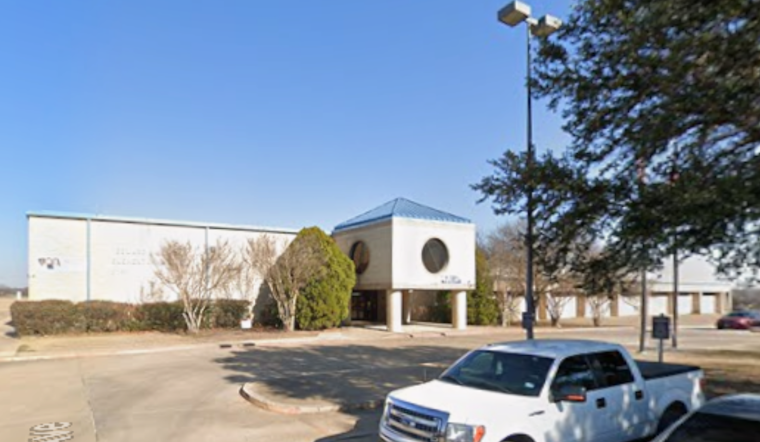
By the time the final bell rang at Edward J. Briscoe Elementary, the school felt more like a wake than a last day of class. Former students wandered the empty halls, teachers packed up decades of classroom projects, and families tried to make sense of losing a campus many of them saw as a second home. The closure at the end of the 2025–26 school year was not just another calendar date; it was the neighborhood’s front porch going dark as part of a districtwide consolidation meant to juggle enrollment, money, and aging buildings.
The shutdown followed a sweeping facilities plan that trustees approved in 2025, voting 8–0 to retire dozens of campuses over five years as enrollment slid and maintenance costs climbed, NBC DFW reported. District leaders have argued the move is necessary to push more dollars into classrooms and student supports, even as parents and kids packed board meetings to beg for a reprieve. Officials said the first wave of closures would kick in after the 2025–26 school year, a timeline that caught up with Briscoe faster than many families expected.
For those families, the vote felt less like a facilities tweak and more like a personal loss. Parents and students told the Fort Worth Report about teachers who kept classrooms warm and welcoming, volunteer-led food and clothing drives that quietly kept neighbors afloat, and staff who stepped in for immigrant and refugee families trying to navigate a new city. “It made me sad,” one student told the outlet, a simple line that echoed through parent interviews as they described grief, worry, and a lot of unanswered questions about what comes next.
Why the district says it's necessary
District officials say closing schools is a response to a long slide in enrollment paired with a growing repair tab. As KERA reported, Fort Worth ISD has lost nearly 13,000 students since 2019 and expects another drop that could top 6,500 by 2030. On top of that, the district has flagged roughly $1.2 billion in needed building repairs, and officials say consolidating campuses will free about $77 million over five years to reinvest in classrooms, according to CBS News Texas. In their view, fewer buildings and more students under each roof is the only way the math pencils out.
Where Briscoe students will go
With Briscoe now shuttered, its students are being reassigned to nearby campuses in the Polytechnic pyramid, specifically Carroll Peak, Morningside, and Van Zandt‑Guinn. The district has posted boundary maps and open house dates for those receiving schools so families can see where their kids are headed before the first day. Fort Worth ISD’s Better Spaces site spells out the new attendance zones, transfer options, and how the district plans to transition students and staff. Officials say counselors and enrollment staff will be available to walk families through the process, from paperwork to bus routes.
What the community is losing
Parents say the closing wipes out far more than a set of classrooms. Briscoe hosted programs that quietly filled gaps for neighbors who needed help. Volunteers helped run a food pantry and clothing drives that nearby families came to depend on, the Fort Worth Star‑Telegram reported. Local groups like the Renaissance House co‑founders handed out books to students before the school’s final day so kids could carry a small piece of Briscoe home, as detailed by the Fort Worth Report. For many households, those services were every bit as important as math and reading, and their disappearance brings a mix of grief, confusion, and very practical questions about where that support lands now.
Support and next steps
Fort Worth ISD is steering families toward its consolidation pages, where transfer forms, boundary tools, and relocation details live, and it has scheduled open houses so parents can meet new principals and tour classrooms, the district says. The Better Spaces site also includes a “How to Support Your Student” guide with counselor-backed tips on talking kids through big changes and a list of phone numbers for transportation and enrollment help. District leaders say savings from the consolidation will be pumped into pre‑K, literacy, and STEM programs at the campuses that remain open.
For residents of the Morningside neighborhood, though, the spreadsheets only tell part of the story. They are watching a familiar building go dark, one that pulled neighbors together and offered everyday help in quiet ways. As more campuses are retired and boundaries redrawn, families will be looking closely to see whether those larger, consolidated schools can deliver not just test scores but the tight-knit support that Briscoe once provided.





