

























































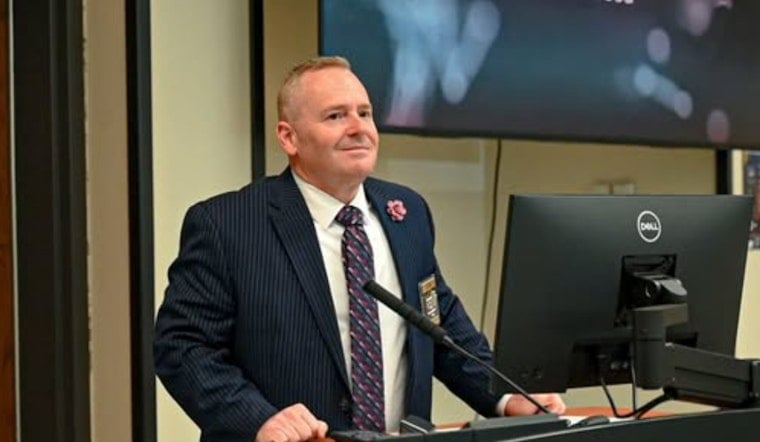
Franklin County deputies used a statewide cold-case summit this week to show how long-stalled homicide files can finally be cracked. In photos shared Thursday from an Ohio Attorney General cold-case gathering, members of the sheriff’s investigative unit walked fellow officers through how they revisited decades-old homicides, including the killing of Alma Lake, and used new forensic tools to deliver long-awaited answers to families. The department’s post cast the summit as a chance to trade tactics with other agencies and publicly thanked the Attorney General’s Office for pulling investigators into the same room.
Franklin County Deputies Present Alma Lake Case
In a Facebook post, the Franklin County Sheriff’s Office said Sgt. John Thompson and Sgt. Mickey Casper took the stage at the summit to lay out the cold-case investigation into Alma Lake and to sit on panels alongside state investigators. According to the post, detectives relied on a mix of familial DNA, emerging technology, and what the office described as "outstanding detective work" to push the case forward. The team said it was "honored to participate" in the event, shared several photos from the sessions, and again thanked the Attorney General’s Office for hosting, according to the Franklin County Sheriff’s Office.
Decades-Old Murders Tied to a Single Suspect
The Attorney General's Bureau of Criminal Investigation and partnering sheriff’s offices have said the summit spotlighted how investigators linked two separate killings to one man. The 1991 murder of Alma Lake and the 1996 death of Michelle Dawson-Pass were both traced to Robert Edwards after BCI analysts used familial DNA and genetic genealogy to zero in on him in 2021. Edwards was convicted in 2023 and later handed a life sentence without the possibility of parole for an extended term. "At the end of the day, there is no such thing as a cold case," Attorney General Dave Yost said, according to the Ohio Attorney General's Office.
Collaboration and New Forensics
State case files and local coverage show that the Franklin and Licking County sheriff’s offices turned to BCI’s Cold Case Unit to take another hard look at old evidence, resubmitting material as lab techniques improved. Richland Source reported that the renewed testing generated a crucial familial DNA lead that ultimately steered investigators to Edwards and, eventually, to charges and a conviction. Summit speakers held up that trajectory as a kind of playbook, emphasizing that cross-agency teamwork, genetic genealogy and meticulous lab work can pry open files that had appeared frozen in place.
What Investigators Hope To Achieve
Officials say the summit is part of a broader push to swap lessons, refine techniques, and nudge departments to pull unsolved homicides off the shelf when new tools become available. The Ohio Attorney General's Office has urged both law enforcement agencies and the public to contact BCI with tips or comparable evidence that might benefit from modern testing, while the sheriff’s Facebook post framed the gathering as one more way to keep steady pressure on lingering cases. The department’s writeup paired those points with photos from the summit but stopped short of issuing a more formal news release with additional case details, according to the Franklin County Sheriff’s Office.




