

























































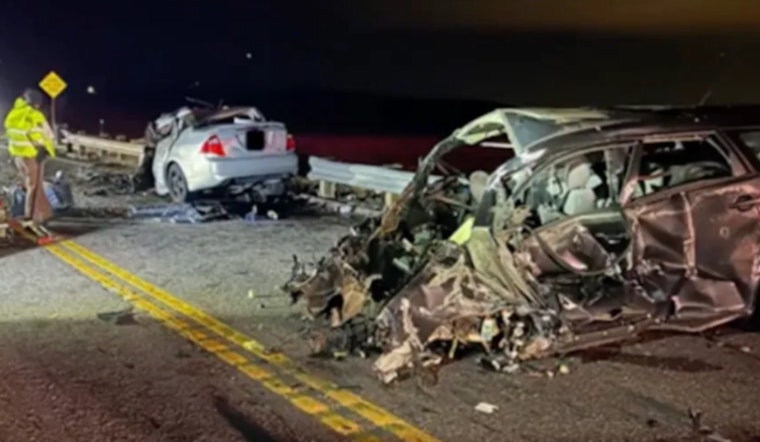
A week before a carjacked vehicle barreled into oncoming traffic on Colorado Highway 83 and killed five people, the man, later identified as the driver, had been scored "low risk" to reoffend in parole files. That late-November 2025 crash south of Franktown took the lives of a father and three children and also killed the parolee at the scene. The new reporting has put Colorado's parole supervision system under a harsh spotlight, raising questions about whether bad paperwork and missed warning signs left a dangerous person with too little oversight.
As reported by the Denver Gazette, which republishes work from 9NEWS Investigates, the low-risk label came out of at least three documented errors in the Community Supervision Tool. Parole notes at the same time showed the man was "relapsing" and using cocaine. Because of the downgraded classification, according to the reporting, he received fewer in-person check-ins and less frequent drug testing in the crucial week before the crash.
The crash itself unfolded on Nov. 24, 2025, when a stolen Toyota went off the right shoulder of Highway 83, rolled into the northbound lane, and slammed head-on into a Ford, Colorado State Patrol troopers told KRDO. The Ford was carrying 35-year-old Alvin Corado and several children. Four people in that vehicle died at the scene, and two others were critically injured, according to an initial crash report, per Hoodline.
What the records show
Documents reviewed in the subsequent reporting indicate the Community Supervision Tool was filled out in ways that produced a misleadingly low score, and auditors later flagged at least three mistakes that changed Huling's supervision level, according to the Denver Gazette. Huling already had a lengthy arrest record dating back to 2013, and local court files and prior coverage laid out a series of charges that critics say make the low-risk rating difficult to understand. That history was detailed by Colorado Politics.
State response and oversight
The reporting and internal reviews pushed state leaders to act. Lawmakers this spring passed HB26-1315, which requires the Department of Corrections to audit a sample of risk assessments and create a quality-review team focused on parole documentation, according to the bill text on the Colorado General Assembly website. Budget and committee records also show the Department is reexamining hundreds of low-risk reassessments, retraining supervisors, and planning a public dashboard to track progress and key metrics, per working papers from the Joint Budget Committee.
Families and community reaction
Families of the victims have held vigils and demanded answers as the community struggles with the scale of the loss, as local coverage recorded. Prosecutors and some legislators have seized on the case as an example of potential gaps in parole oversight, and critics say the documented errors show why the new auditing requirements were needed, as Colorado Politics reported.
Officials say the audits and new training are only first steps, and families, along with lawmakers, will be watching to see whether anything really changes. The legislation requires the Department of Corrections to present audit findings and corrective actions at upcoming SMART Act hearings, and committee documents indicate the agency will post reassessment progress on a public dashboard in the months ahead.





