

























































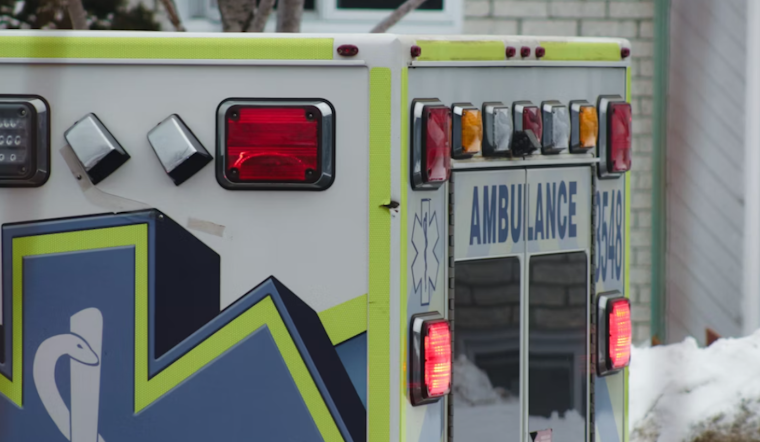
Paid EMT apprentices are rolling onto Pittsburgh-area ambulances this week as a new Freedom House 2.0 pilot tries to plug long-running staffing gaps in Allegheny County. The trainees work full shifts with seasoned crews while also hitting the classroom, giving agencies extra hands without the tuition bills or hiring lag that have kept some ambulances short-staffed.
Charles "Roman" Tuminello is training as the state's first known EMT apprentice through the pilot at McCandless-Franklin Park Ambulance Authority in Wexford. "I'm just really thankful that this entire program exists," Tuminello told CBS Pittsburgh, describing nonstop stretches that blend real 911 calls with formal coursework. Agency leaders say the setup lets recruits learn in real time and speeds up their path to frontline care.
On-the-Job Classes and Wraparound Supports
Freedom House 2.0 mixes classroom instruction with clinical shifts and layers on wraparound supports, including stipends, laptops, transportation, and childcare for participants, to reduce barriers to completion, according to UPMC. UPMC's Pathways to Work model has already run Freedom House cohorts in other regions and focuses on short, tuition-free training that moves people quickly into entry-level healthcare jobs. Program managers say that hands-on learning paired with those supports helps students finish training while staying financially stable.
For the EMT track, apprentices will earn roughly $10,000 while they train and will commit to at least 16 weeks of supervised instruction before moving up to journeyman status, according to CBS Pittsburgh. They will also stay paired with a senior employee for a full year to guard against burnout. Freedom House 2.0 project manager Trevor Mathey told the station that the rising cost of EMT and paramedic education has pushed traditional pathways out of reach for many would-be recruits, and organizers hope to place about a dozen more EMT apprentices across Allegheny County next year.
Who Is Paying and Why It Matters
The pilot is backed by philanthropic and health-plan partners, so local ambulance agencies are not left holding the bill. The Richard King Mellon Foundation's 2024 annual report notes a grant to Freedom House 2.0, and UPMC describes Pathways to Work as the program that helps scale cohorts and place graduates. The Richard King Mellon Foundation says its funding backs trauma-informed, flexible cohorts and training resources, while UPMC emphasizes employer connections and wraparound supports. Leaders argue that public-private backing is what makes the apprenticeship model realistic for both busy volunteer services and municipal departments.
A Busy System Needs Fresh Hands
McCandless-Franklin Park Ambulance Authority lists Wexford as one of its stations and serves a cluster of North Hills communities, which makes it a logical training ground for the pilot. Leaders at the McCandless-Franklin Park Ambulance Authority have welcomed the apprentice placement as a way to build on-duty capacity during heavy call periods. Program backers say agencies that run thousands of calls each year need a steady pipeline of trained EMTs to avoid gaps in 911 coverage.
A Legacy Revived
The Freedom House 2.0 name deliberately reaches back to the original Freedom House Ambulance Service, a Black-run Pittsburgh program in the late 1960s that helped pioneer modern paramedic training. Britannica and other histories note that the original Freedom House set national standards for prehospital care, and organizers say the new program aims to marry that civic legacy with 21st-century workforce supports. Advocates hope the apprenticeship model can eventually stretch into rural corners of the state where recruiting is hardest.
Organizers say the real test will be whether apprentices convert into full-time EMT hires and stick with frontline shifts once the certifications are in hand. The Richard King Mellon Foundation's report notes that Freedom House 2.0 has graduated cohorts statewide, and local leaders say they will be watching placement rates closely as the program grows from a pilot into a steady pipeline.





