

























































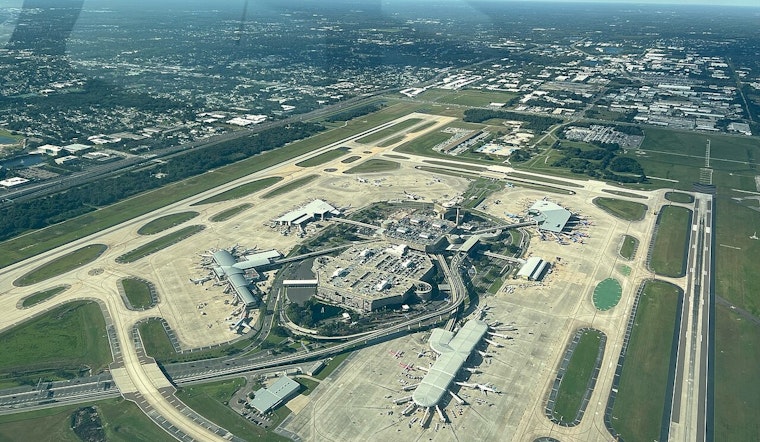
Tampa’s summer travel rush is arriving with a squeeze: airlines have quietly trimmed schedules at Tampa International Airport, leaving locals with fewer daily takeoffs just as vacation season ramps up. Carriers are trying to blunt the hit from surging jet fuel costs, and the timing is rough, landing right as Memorial Day weekend kicks off the busy stretch through mid‑August. Some nonstop routes that felt like a sure thing in recent years will now run less often, which for Tampa Bay flyers could mean fuller planes, fewer date options and more connections through big hubs.
Airport officials say this summer’s lineup will feature about 18 fewer departing flights out of roughly 237 daily departures, a decline of about 7.7%, and they expect to handle roughly 65,000 passengers per day, down from more than 70,000 in 2024 and 2025, according to WTSP. TPA communications manager Beau Zimmer told local reporters that most of the reductions come from airlines trimming frequency, and that 14 of the lost departures were tied to Spirit’s pullback. Local pilots say some shorter, more frequent runs are being swapped out for larger aircraft with fewer daily turns in an effort to save fuel while keeping overall passenger capacity roughly the same.
Why airlines are trimming schedules
Airlines around the country have been reshaping their schedules after jet fuel prices spiked following supply disruptions tied to the Iran conflict, with carriers cutting marginal flying rather than propping up money‑losing routes, Reuters reported. Carriers including United have pared back planned capacity and are concentrating more flights on the busiest days and strongest routes while leaning on redeye trips and larger planes to lower fuel burn per seat. That industry shift puts smaller markets and low‑cost, high‑frequency service at the front of the line for reductions this summer, even if demand is still there.
Spirit’s shutdown reshaped local service
The sudden wind‑down of Spirit in early May yanked dozens of budget flights from schedules nationwide and accounted for much of Tampa’s missing daily departures, the Associated Press reported. Local coverage and airport officials have tied about 14 of the roughly 18 fewer flights at TPA directly to Spirit’s pullback, intensifying the local impact of broader capacity cuts. Losing a major low‑cost carrier means fewer cheap, nonstop options and extra pressure on other airlines to fill the gap, but with economics tight and fuel expensive, not every route that vanished is likely to reappear anytime soon.
What this means for travelers
For travelers, the bottom line is simple: expect fewer nonstop choices, fuller cabins and the real possibility of higher fares on some routes. The airport is urging passengers to confirm their flight details and arrive early on peak summer days, per the TPA newsroom. Airlines say that packing demand onto bigger jets and shifting more traffic to off‑peak times helps soften the fuel shock while still meeting overall demand, a strategy laid out in industry reporting. If you are flying over Memorial Day weekend, it is worth double‑checking departure times and building a backup plan in case a route that used to be daily has quietly become seasonal or less frequent.
Tampa International officials say they will keep an eye on schedules and work with carriers as the summer plays out, so travelers should expect occasional tweaks as airlines juggle demand against operating costs. For now, local reporting and the TPA newsroom remain the best sources to check for the latest schedule changes before you roll your suitcase into the terminal.





