

























































Columbus’s largest emergency pantry, Love Chapel, is feeling the strain as demand spikes yet again. The pantry reports serving about 4,900 people in April, a sharp jump from roughly 4,455 in March, and the number of families receiving help climbed from about 1,057 to 1,200. Executive Director Kelly Daugherty called the increase “devastating to some families” and said it has pushed new neighbors to seek aid. Volunteers and staff say the surge has stretched pantry shelves and led to longer waits at Love Chapel’s weekly distribution.
Spring surge at Love Chapel
As reported by The Republic, Daugherty and other local organizers largely point to higher fuel bills, along with a typical post-tax refund bump in visits, as the main drivers behind the latest spike. The Republic’s coverage details the month-to-month tallies and includes staff accounts of the pressure on volunteers. The rising numbers have already forced Love Chapel to adjust ordering and distribution plans just to keep pace with the crowd.
Why pump prices matter
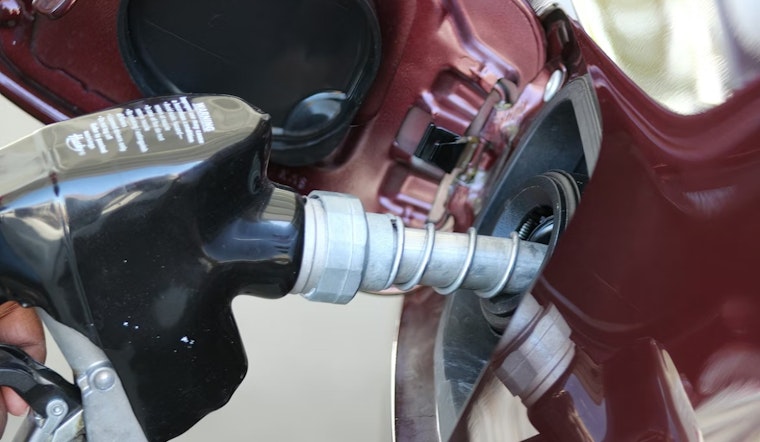
Local drivers have been feeling the hit at the pump this spring. Data from AAA show Columbus’s average price for regular gas at about $4.02 per gallon, with diesel near $6.01. AAA’s records show that in late February, regular gas was under $3.00 and diesel was roughly $3.75, a run-up that makes weekly commutes and grocery pickups significantly more expensive for working families.
The timing lines up with the outbreak of hostilities that began Feb. 28, 2026, when the U.S. and Israel launched strikes on Iran, an escalation reported by the Associated Press and cited by analysts as a trigger for ripple effects in global energy markets. Those ripples are now showing up in very local ways, like how far a tank of gas and a monthly food budget can stretch in Bartholomew County.
Deep, countywide need
Even before the recent spike, Bartholomew County was already wrestling with serious hunger. Feeding America estimates that about 12,250 county residents were food insecure in 2023, including roughly 3,240 children, for a countywide food insecurity rate near 14.8 percent. Those figures were reported by The Republic alongside Love Chapel’s spring caseload.
Food bank leaders say the current shock tied to higher fuel and freight costs is landing on top of long-running structural gaps in wages, housing, and transportation that were already putting pressure on low-income households long before this spring’s price jumps.
How charities are coping
Local charities and partner agencies are stretching every donated dollar and volunteer hour. Love Chapel runs an approximately 5,000 square foot pantry as well as a mobile outreach program that community leaders describe as crucial for filling food gaps across the county. A profile of the pantry by Gleaners outlines how local partners coordinate food drives and emergency efforts, while pantry managers emphasize that monetary gifts are especially valuable for purchasing fresh produce and covering rising transportation costs.
Organizers caution that if fuel prices stay elevated, what looks like a spring surge could easily harden into a new normal, with sustained high demand rather than a short-lived spike.
What neighbors should know
Pantry leaders stress that even relatively modest jumps in gas and grocery bills can push a tightly balanced household budget into crisis. For residents who need assistance, or for volunteers and donors looking for up to date details on hours and drop off locations, Love Chapel lists current information and procedures.
Local officials and nonprofits say they plan to keep a close eye on how energy and food price pressures evolve, even as they work day to day to keep shelves stocked for the neighbors who cannot afford another hit at the pump.





