

























































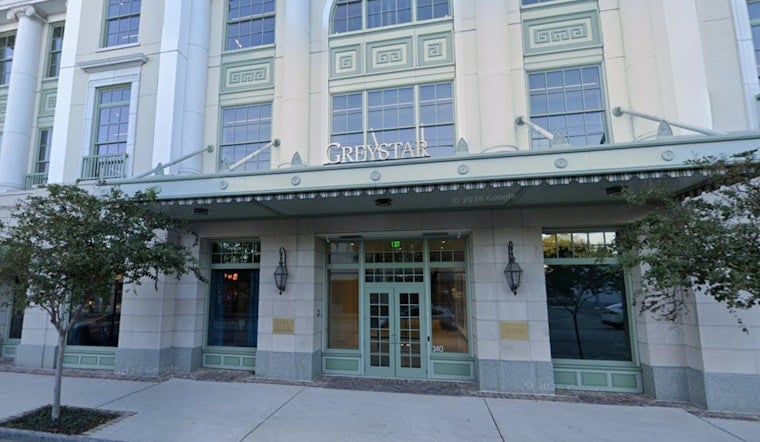
Renters who felt squeezed by surprise add-ons in their monthly bills might soon see money flowing the other way. Greystar, the nation’s largest apartment manager, has agreed to pay millions after Arizona regulators and federal authorities said tenants were hit with mandatory “junk” fees that were not disclosed in advertised rents. On May 13, Arizona Attorney General Kris Mayes announced settlements that include a $23 million payment tied to a federal action and a combined $100,000 in restitution from two Valley complexes, with state officials saying about $1.5 million of the federal payment is expected to be distributed to Arizona renters.
Mayes' office said the agreements, which are filed as Assurances of Discontinuance in Maricopa County Superior Court, require Greystar to clearly and conspicuously display total monthly leasing prices and any mandatory fees and to refrain from misrepresenting rental prices, according to the Arizona Attorney General's Office. The AG's statement named The Julia Apartments in Mesa and Avana Gilbert in Gilbert as the two local properties that will pay a combined $100,000 to resolve alleged junk-fee charges.
What Mesa and Gilbert tenants should know
Residents who believe they were charged parking, valet-trash, HOA dues or similar fees at The Julia or Avana Gilbert between Jan. 1, 2023 and Jan. 1, 2026 can file a claim for restitution with the Arizona Attorney General's Office, according to Arizona's Family. Tenants who lived at any Greystar-owned or managed property from roughly 2019 through 2025 may also be eligible for refunds from the federal settlement once the FTC distributes redress.
The federal side: what the FTC says
The Federal Trade Commission and the State of Colorado announced a settlement in December 2025 that requires Greystar to pay $23 million to the FTC, with Colorado receiving $1 million, and to end deceptive fee disclosure practices, according to the Colorado Attorney General. The FTC said the company often advertised a low “base” price and disclosed mandatory fees only late in the application or lease process.
Why regulators are watching junk fees
Enforcers say these practices make comparison shopping impossible and can saddle renters with hundreds of dollars in surprise monthly costs. The FTC has moved into rulemaking on rental-fee practices, with an Advance Notice of Proposed Rulemaking underway, as part of a broader crackdown, according to legal analysis from Arnold & Porter.
Legal takeaway
The Arizona Assurances of Discontinuance include injunctive terms requiring clearer fee disclosure, recordkeeping and compliance reporting for Greystar, the AG's office said in its announcement. Those agreements do not resolve separate antitrust litigation and other claims involving Greystar and its use of pricing software, which remain pending in other courts.
If you believe you were overcharged, the Arizona Attorney General's consumer page has a claim form and the Federal Trade Commission maintains information on how federal refunds are distributed. Consumers do not need to file separately with the Arizona Attorney General to be eligible for FTC redress, according to the Federal Trade Commission. The AG's office is hosting the settlement filings and contact information for questions about the local claims process.





