

























































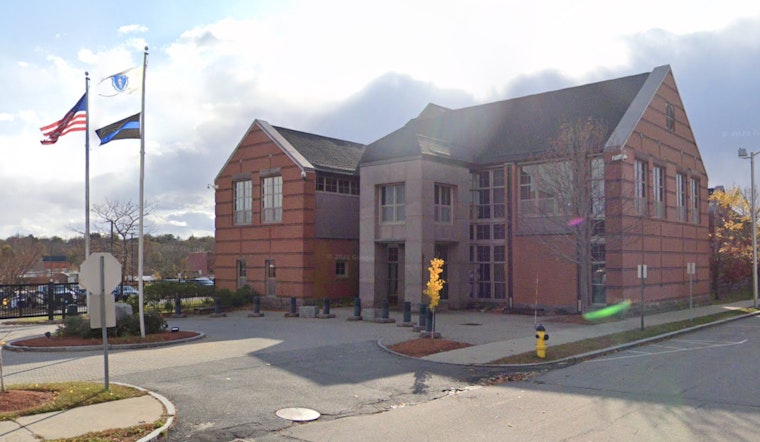
The cameras are rolling in Haverhill. The Haverhill Police Department announced Tuesday that it has officially begun deploying department-issued body-worn cameras, with a limited number of patrol officers and members of designated units now using the devices during official duties. The rollout will be phased, and officials say this initial stretch will focus on gathering operational data and officer feedback while training and internal policies are finalized. City leaders are pitching the move as a way to bolster evidence collection and transparency while the department tests how the system performs in real-world conditions.
In a press release shared by the City of Haverhill Mayor's Office - Official, the department said footage "may be used as evidence in criminal prosecutions, internal investigations, administrative reviews, and court proceedings." The release also noted that not all recordings will qualify as public records and that certain video may be restricted or redacted to protect ongoing investigations, juvenile information, victim privacy, medical details or other legally protected material.
What officers will record
"The Haverhill Police Department is pleased to announce the official beginning of its body-worn camera (BWC) program," the release said, explaining that officers equipped with cameras will generally record calls for service, traffic stops, arrests and other official interactions. Policy will spell out when officers must activate and deactivate the devices, how recordings are stored securely, and who is authorized to access them. The department also warned that tampering with or interfering with a body-worn camera may result in criminal charges where applicable.
State grant and local context
The deployment follows a unanimous unanimous council green light in January to authorize a body-camera program, a decision that arrived after months of scrutiny inside the department. State funding will help pay for the program. Local reporting says Haverhill received a nearly $250,000 grant from the commonwealth’s Law Enforcement Body-Worn Camera Program to cover cameras, storage and related equipment, according to WHAV. Regional coverage has placed the rollout in the broader context of community concerns and prior officer-involved incidents, as outlined by NBC Boston.
Access and privacy under state law
Massachusetts currently lacks a body-camera-specific disclosure statute. Under the state's public-records law, body-worn camera video is generally considered a public record but may be withheld or redacted under investigatory and privacy exemptions. The Law Enforcement Body Camera Task Force has issued recommended regulations on procurement, retention and redaction, and open-government advocates note that departments often balance transparency with protections for victims, minors and active investigations, per guidance from the Reporters Committee.
What to expect next
The department says this evaluation period will shape how broadly the program expands, with additional officers expected to receive cameras and training in the weeks and months ahead. Residents who want to request footage or learn more about the policy are directed to the Haverhill Police Department's public-records and contact pages, or to watch for further updates from the mayor's office and the police department. Officials say the system is set up with safeguards intended to ensure secure storage and tightly controlled access to the recordings.



