

























































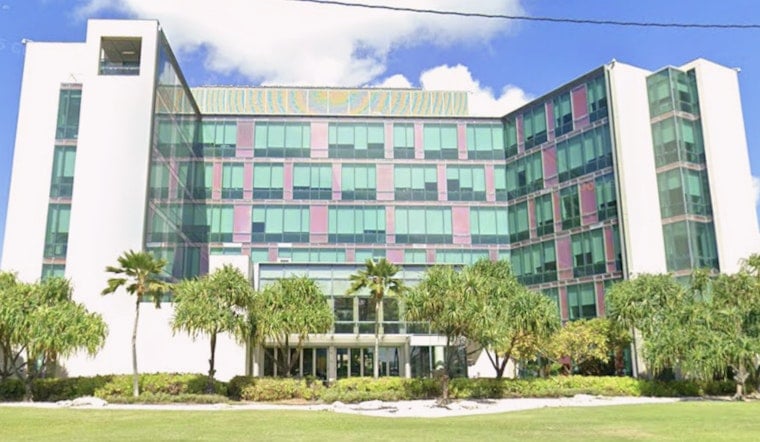
Dr. Michele Carbone, a thoracic oncologist at the University of Hawaiʻi Cancer Center, has been tapped as the 2026 recipient of the Szent‑Györgyi Prize for Progress in Cancer Research for work that changed how clinicians detect and prevent hereditary forms of mesothelioma. His research connecting inherited BAP1 mutations to clusters of cancer in families led to major public health interventions, from relocating at‑risk villages in Turkey to repaving erionite‑contaminated roads in North Dakota, and has been credited with extending lives. Carbone is scheduled to receive the prize on Oct. 9, 2026, at a ceremony in Washington, D.C.
According to the National Foundation for Cancer Research, the award recognizes Carbone’s decades of fieldwork and laboratory investigation that helped define a hereditary BAP1‑linked cancer syndrome and pushed that science into day‑to‑day clinical practice. The foundation notes that his findings helped spur the U.S. National Cancer Institute to launch clinical trials, and that a blue‑ribbon committee selected him for the 2026 honor.
Fieldwork in Turkey, Changes in Policy
As detailed by the University of Hawaiʻi Cancer Center, Carbone spent years in small villages in Cappadocia investigating why exposure to a mineral fiber called erionite was killing a striking share of residents. His team’s work showed that genetics, not exposure alone, determined which people developed mesothelioma. That finding pushed the Turkish government to relocate susceptible families and led U.S. officials to mitigate erionite‑contaminated roads.
What the Science Means for Patients
A study published in PubMed Central reported that mesothelioma patients who carry germline BAP1 mutations and receive careful surveillance and early treatment live substantially longer than patients with sporadic disease. Mesothelioma remains rare in the United States, with about 3,000 new cases a year, but early detection and tailored surveillance can significantly shift the outlook for families with BAP1 mutations, according to the American Cancer Society.
Hawaiʻi Ties and Recognition
At UH, Carbone serves as Director of Thoracic Oncology, holds the William & Ellen Melohn Chair in Cancer Biology, and is a professor at the John A. Burns School of Medicine. The university also lists him as Special Health and Science Advisor to Gov. Josh Green. “There is nothing as rewarding as saving lives,” Carbone said in the university’s statement.
The Szent‑Györgyi Prize, created in 2006 by NFCR, spotlights discoveries that deliver concrete public health benefits and real‑world clinical advances, the foundation notes. NFCR Chair Tony Hunter praised Carbone’s blend of “scientific courage and human compassion,” and local coverage, including an early story from Kaua‘i Now, highlighted the honor as a home‑state win for Hawaiʻi’s cancer research community.



