

























































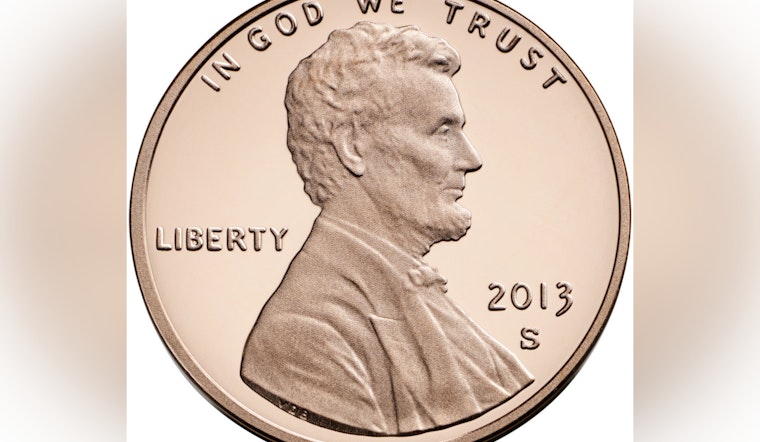
Hawaii lawmakers this spring walked away from a plan that would have forced in-person retailers to accept U.S. cash and instead signed off on language that lets stores round cash transactions to the nearest five cents. The change, taken up after merchants complained about a nationwide penny shortage, is now enrolled and sitting on the governor’s desk. It would apply only to cash payments, not to card or other electronic transactions.
From Cash Mandate To Penny Rounding
SB 3255 began life as a bill that would have required “all merchants” to accept cash for in-person transactions, but conferees stripped out that requirement during the session. The original draft, as filed with the Legislature, contained explicit language mandating cash acceptance at brick-and-mortar locations and carved out an exemption for online sales. Hawaii State Legislature records show the earlier cash requirement and the later decision to rework the measure in conference.
How The Rounding Would Work
The version that passed swaps the cash mandate for a narrowly tailored rounding rule that allows cash totals to be adjusted after taxes and fees are calculated. Under the amended language, totals that end in 1, 2, 6 or 7 cents are rounded down and totals ending in 3, 4, 8 or 9 cents are rounded up, with a special rule that totals of 1 or 2 cents are raised to 5 cents. LegiScan contains the full rounding schedule and clarifies that the rule applies only to cash, not to electronic payments.
Why Retailers Pushed For The Change
Local retailers told lawmakers that banks and coin-distribution channels have become unreliable for resupplying pennies, creating daily headaches for small operators and convenience stores trying to make exact change. Trade groups and convenience-store managers urged lawmakers to add the rounding language, arguing that it cuts cash-handling costs and reduces theft risk, while consumer officials warned that any rounding rules should be fair and easy to understand. Reporting from Hawaii Tribune-Herald summarized the testimony and the back-and-forth over how rounding could affect low-price transactions.
The Federal Backdrop: Pennies And “Legal Tender”
The move to allow rounding follows the U.S. Mint’s decision last year to stop producing pennies for general circulation, which narrowed available supplies for merchants and banks. U.S. Mint materials and national coverage documented the final penny production in late 2025. At the same time, the Federal Reserve notes that there is no federal statute forcing private businesses to accept cash, leaving it to states and local governments to set point-of-sale rules. The Federal Reserve explains that “legal tender” status for coins and bills does not by itself require a merchant to accept them if there is no applicable state or local law.
What Comes Next
The Legislature has enrolled the amended measure and sent it to the governor. Under Hawaii rules, the governor has 45 days after adjournment to sign, veto or let a bill become law, which puts the likely decision point in mid-July. The Hawaii Legislative Reference Bureau explains the post-session deadlines that determine when bills take effect. Until the governor acts and agencies issue any guidance, stores are not required to change checkout practices statewide.
For shoppers, the short-term effect is limited: cash is still on the counter at many businesses, but fewer pennies in circulation could mean more stores quietly lean on rounding or other workarounds. For merchants, the law, if signed, would offer a clear legal path around penny shortages without forcing anyone to go fully cashless.



