

























































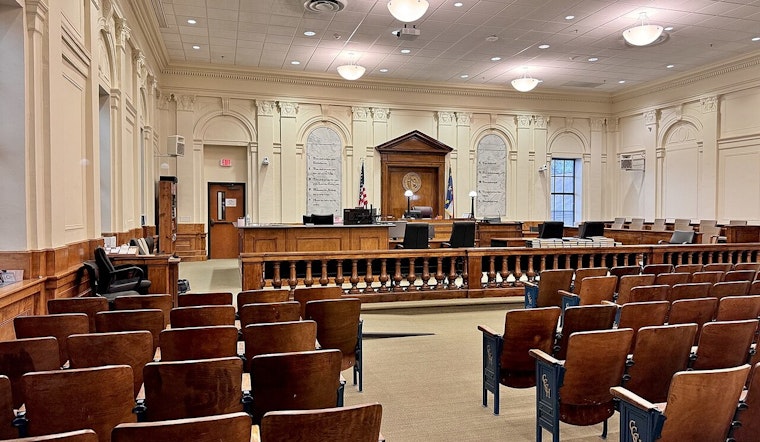
Hawaii is on the brink of changing how it handles some of its most serious youth cases, with a new bill that would require judges to factor in a young person's history of trauma before deciding whether to send them to adult court.
Senate Bill 2108, passed by lawmakers this month, would also block minors who were trafficked or sexually abused from being prosecuted as adults when their alleged abuser is the victim. The proposal is now on the governor’s desk and must be approved, vetoed, or allowed to become law by June 30, 2026.
SB 2108 cleared the Legislature and was formally enrolled to the governor on May 8, 2026, as recorded by LegiScan. The bill updates the list of factors judges must weigh at waiver hearings, the process that can transfer a juvenile case to adult court, so that a child's exposure to trauma and involvement with child welfare are mandatory parts of the analysis. Lawmakers advanced the measure without any recorded opposition.
What the bill changes
Under the enrolled language, family court judges would add "exposure to adverse childhood experiences, childhood trauma, involvement in the child welfare or foster care systems, and status as a victim of human trafficking, sexual abuse, or rape" to the factors they must consider before waiving jurisdiction, according to the Hawaii State Legislature. The bill preserves family court jurisdiction when a judge finds by clear and convincing evidence that a minor was trafficked or sexually abused by the alleged victim, and it removes an older provision that automatically pushed certain later charges into adult court. Supporters say the point is to make sure courts see a child's full story before making life-altering decisions about where that child is tried.
Supporters say trauma should be central
Backers framed SB 2108 as a targeted, trauma-informed fix and urged lawmakers to put a child’s lived experience at the center of waiver decisions. Human Rights for Kids promoted the measure at hearings, and Jessica Feierman of the Juvenile Law Center told Civil Beat that "the adult court is not set up to provide the kinds of services and supports that will help young people to thrive." Mark Patterson, who previously ran the state youth correctional facility, told the same outlet he often fought to keep youth in juvenile custody so they could get treatment for underlying trauma instead of being sent into the adult system.
Critics worry the science is not settled
Not everyone is convinced. The Honolulu Prosecutor’s Office testified that the causal link between trauma and later antisocial behavior is not settled and warned that many abused children do not go on to commit crimes, concerns reported by Civil Beat. The same coverage notes that the Attorney General’s Office recorded just 36 cases moved from family court to adult criminal court between 2014 and 2023, and zero waivers in 2022, underscoring that such transfers are already uncommon in Hawaiʻi.
Next steps and legal fine print
The bill is now in the governor’s hands, and local outlets report he has until June 30, 2026 to notify lawmakers if he plans to veto SB 2108. Its enrollment status is public.
The measure also includes transition language stating it "does not affect rights and duties that matured" before the law's effective date, which means it would not automatically undo prior adult-waiver decisions, according to the Hawaii State Legislature and legislative records.
Supporters argue that SB 2108 will make an already cautious waiver system more thoughtful and aligned with what courts know about childhood trauma. Skeptics counter that judges are being pushed to weigh trauma in ways that could be inconsistent or misused. With a decision due in June, the bill could quietly reshape how a small number of high-stakes juvenile cases are handled in Hawaiʻi.





