

























































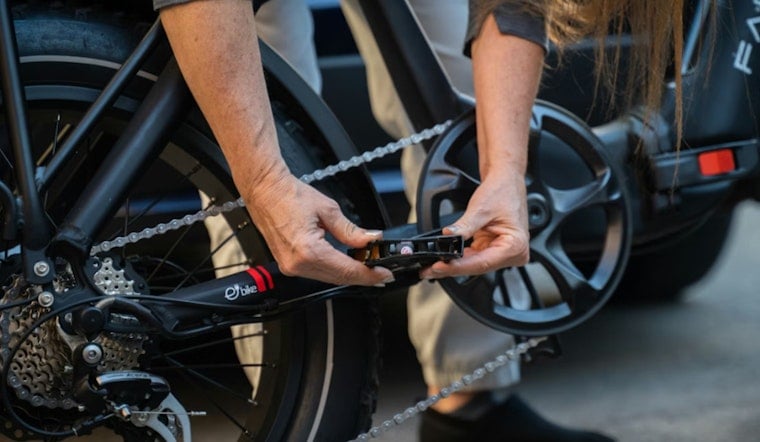
Micromobility in Massachusetts is about to get a serious rulebook. Gov. Maura Healey on Monday filed sweeping legislation that would create a speed-based system to regulate e-bikes, mopeds and scooters across the state. Branded the Ride Safe Act, the bill would set minimum ages, helmet and equipment standards, and give the state new power to register and police higher-speed devices. The goal is to spell out where different classes of micromobility vehicles can operate and to cut down on crashes and conflicts with pedestrians.
In a statement to NBC Boston, Healey said “this bill is about protecting people and preventing tragedies before they happen.” Her office said the measure builds on recommendations from a statewide commission and responds to rising safety worries as micromobility devices multiply on streets and paths.
What the Ride Safe Act Would Do
According to the bill text filed with the Legislature, S.3077 would sort micromobility devices into speed “tiers,” from low-speed personal scooters and class 1 and 2 e-bikes up to faster, moped-like vehicles, and then apply different rules to each tier, via the Massachusetts Legislature. The proposal would require helmets for young riders, bar people under 16 from buying or operating higher-speed devices, and impose registration, insurance and equipment standards on the faster tiers. It would also keep certain high-speed devices off sidewalks, bike lanes and shared-use paths, while giving the Registry of Motor Vehicles new authority to write detailed rules.
Built On a Year-Long Study
The bill tracks closely with recommendations the Special Commission on Micromobility filed with the Legislature in January 2026, which called for a speed-based classification system, better crash data and clearer rules about where devices can operate. As outlined in MassDOT’s final report, the commission proposed 16 recommendations, from a default speed limit on shared-use paths to a micro-ID system so devices can be identified more easily. The report grew out of public meetings that pulled in state agencies, municipalities, law enforcement, industry and advocates.
Officials and Advocates Weigh In
Philip Eng, MassDOT’s interim secretary and MBTA general manager, said the approach “balances innovation and access while prioritizing safety across our roads and infrastructure,” according to NBC Boston. Bike advocates have welcomed the clearer categories but warned that the fine print will matter, pointing to the commission’s push for better crash reporting and model ordinances that cities and towns can adapt. Local retailers and delivery operators, who live and die by fast trips, say they will be watching closely to see how registration, equipment standards and enforcement get phased in.
What Comes Next
S.3077 was filed on May 4, 2026, and referred to the Senate Committee on Transportation, where hearings and amendments are expected, according to the bill record on the Massachusetts Legislature. Much of the heavy lifting is left to future regulations: the RMV would be authorized to write the specific registration, licensing, insurance and equipment rules so policymakers can adjust as the technology changes. The timeline for committee action and floor votes is still unclear, and municipal leaders have already signaled they will push hard for local flexibility.
What This Means for Riders
If lawmakers sign off, riders should expect new labeling, helmet and age rules, and, for higher-speed devices, the possibility of registration and insurance requirements. For the commission’s full recommendations and the details behind the classification framework, see the Special Commission on Micromobility report from MassDOT.





