

























































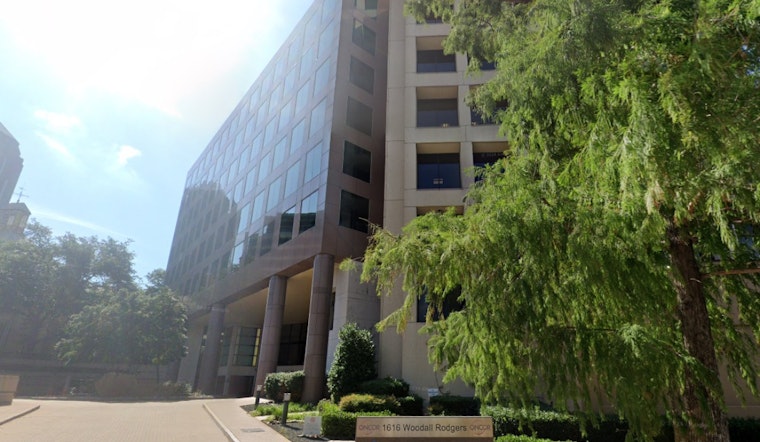
An activist hedge fund is turning up the heat on Sempra, urging the company to peel off its Texas electricity utility, Oncor, and send it out into the market on its own. In a letter to Sempra, Voss Capital argued that the Dallas-based utility would fetch a richer valuation as a standalone company, even as Sempra pours heavy capital into regulated grid projects in both California and Texas.
According to Reuters, Voss told Sempra that an independent Oncor could become “the highest-growth public transmission utility in the U.S.” and estimated the company might be worth as much as $78 billion by the end of 2028. The letter also disclosed that Voss owns roughly two million Sempra shares, less than 1% of the company, and described itself as an activist hedge fund managing about $2 billion in capital.
Sempra acquired its majority stake in Oncor in 2018 and now controls roughly 80% of the utility after regulators approved the deal, according to Sempra. That transaction, and Sempra’s broader push to simplify and sharpen its portfolio, has been at the center of investor debates over how to value the company’s Texas and California operations.
The market reaction so far has been measured. Sempra’s shares finished yesterday at $90.03 and were up about 2% for the year, compared with a roughly 4.1% gain for the S&P utilities index, Reuters reported. Reuters also noted that Sempra did not immediately respond to requests for comment and that Oncor declined to comment.
Texas Demand Is Changing the Math
Voss is pitching its break-up idea against the backdrop of Texas’s surging electricity demand and a wave of large interconnection requests from data centers and heavy industry. The state grid operator ERCOT projects base peak demand will climb from about 98,087 megawatts in 2026 to roughly 111,318 megawatts by 2032, a jump that underscores the growing need for new transmission across the state.
Oncor's Scale and the Stakes
Oncor already runs the largest transmission and distribution network in Texas, delivering electricity to more than four million homes and businesses and operating roughly 144,000 circuit miles of lines, according to Oncor. That vast footprint, along with expanding capital plans to handle big new loads, sits at the heart of Voss’s argument that a pure-play Texas utility could trade at a different valuation multiple than Sempra’s more diversified portfolio.
Regulatory and Practical Hurdles
Pulling off a spin-off would be anything but simple. Oncor is a regulated utility subject to oversight in Texas, and any structural overhaul would need state approval, extensive financing work, and careful governance design. Sempra’s 2018 Oncor deal only closed after the Public Utility Commission of Texas signed off and the companies agreed to governance and ring-fencing provisions, a reminder of the legal and regulatory maze that any separation would have to navigate.
For now, Voss’s letter serves as a shot across Sempra’s bow and a reminder that investor pressure can push big utilities to revisit their portfolios as grid needs evolve. Whether this turns into a full-blown activist campaign, a negotiated separation, or just a short-lived market blip will largely hinge on how Sempra responds and whether larger shareholders decide they want Sempra to cut Oncor loose.





