

























































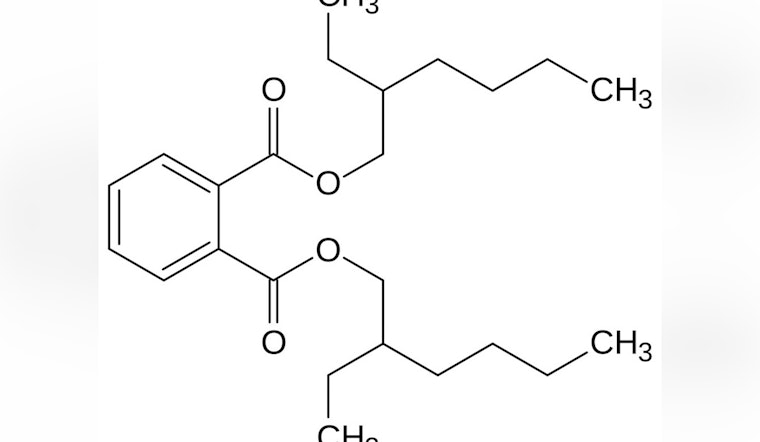
A sweeping new global analysis is putting a familiar plastic additive back in the hot seat, suggesting it may have contributed to nearly two million premature births and about 74,000 newborn deaths in 2018. The researchers behind the work, along with public health advocates, say the scale of the modeled impact is hard to ignore and strengthens calls to strip certain phthalates out of food packaging, household products and some medical supplies.
Study finds DEHP and replacements carry a heavy burden
The team estimated that exposure to di-2-ethylhexyl phthalate (DEHP) was associated with roughly 1.97 million preterm births and about 74,000 neonatal deaths worldwide in 2018. A widely used replacement, diisononyl phthalate (DiNP), appeared to carry a nearly comparable burden. To arrive at those figures, the researchers merged biomonitoring data with published epidemiological studies to map exposure levels and regional risks.
According to eClinicalMedicine, regions in the Middle East and South Asia shoulder a disproportionate share of the estimated harms. NYU Langone Health has published a summary from the study authors that walks through the global modeling in more detail.
How the chemicals reach people and why newborns are vulnerable
DEHP is a plasticizer that softens polyvinyl chloride (PVC), turning rigid plastic into something bendable. That flexibility comes with a catch: DEHP does not stay locked in place and can migrate from packaging, building materials and consumer goods into food, indoor air and dust. In hospitals, where plastic is everywhere, infants can receive especially high doses when DEHP leaches out of IV bags, tubing and some feeding devices into the fluids given to patients.
The Agency for Toxic Substances and Disease Registry has outlined these exposure routes, and Food and Drug Administration assessments dating back to the early 2000s document DEHP releases from PVC-based medical devices. According to ATSDR, ingestion and household dust are key exposure pathways for the general population. An FDA assessment summarized by Health Care Without Harm has for years flagged device-related exposures as a concern for vulnerable patients, including very young children.
U.S. studies show a domestic toll, too
The global numbers are not the only red flags. A separate U.S.-focused analysis using data from the National Institutes of Health’s ECHO pregnancy cohorts estimated that prenatal exposure to phthalates may have contributed to nearly 57,000 preterm births in the United States in 2018, with associated economic costs in the billions of dollars.
That work, based on population-level modeling rather than individual diagnoses, appears in The Lancet Planetary Health and is summarized by NIH/NIEHS and ECHO program materials. The authors and federal agencies stress that these are statistical estimates, not proof that phthalates directly caused any single preterm birth.
Hospitals and states are already moving
Some health systems have decided not to wait for regulators to catch up. Kaiser Permanente announced in 2012 that it would switch systemwide to IV equipment free of PVC and DEHP, and advocacy organizations report that CommonSpirit Health and Sharp HealthCare have also pledged to phase out DEHP-containing products.
At the state level, California’s Toxic-Free Medical Devices Act (AB 2300) and recent legislation in North Carolina set phased timelines to pull DEHP from IV bags and tubing. Coverage and advocacy write-ups detail the hospital commitments and the new state requirements, and the California legislative summary and North Carolina’s enacted language spell out the specifics. For background on hospital pledges and shifts inside the medical supply chain, see reporting from Breast Cancer Prevention Partners and Kaiser Permanente’s 2012 announcement on PR Newswire. The bill text and enacted law are available through the California legislative record and the North Carolina General Assembly websites.
Regulatory gap: how some chemicals still reach the market
Even as concerns rise, advocates highlight a longstanding regulatory gap that helps explain how chemicals like these wind up so widely used. Under current federal policy, some food-contact and consumer chemicals can enter the marketplace without an independent pre-market safety review if companies “self-affirm” that the substances are Generally Recognized as Safe, or GRAS.
Federal agencies and members of Congress have signaled plans for new rules and legislation that would tighten the GRAS pathway, and legal analysts are tracking the proposed changes and the broader debate over closing what critics call the GRAS loophole. For accessible summaries of the federal rulemaking landscape and the legal context, see analysis from policy trackers such as Verdant Law and related industry publications.
What clinicians and families can do now
While governments and hospital systems sort out the bigger picture, pediatricians and public health groups point to everyday steps that can cut down on exposure. Common advice includes avoiding microwaving food or breastmilk in plastic containers, choosing glass or stainless steel for storage when possible, and steering clear of plastics labeled with recycling code 3, a category that often contains phthalates.
The American Academy of Pediatrics’ policy on food additives and child health lays out these and other practical recommendations for clinicians and families. Hospitals are encouraged to prioritize DEHP-free devices for their most fragile patients, particularly newborns in intensive care units.
The new global modeling does not establish that DEHP or DiNP directly caused any individual preterm birth. Still, the researchers and public health advocates argue that the size of the modeled burden, combined with the fact that DEHP-free alternatives already exist for many uses, strengthens the case for policy reform, safer purchasing in hospitals and stricter federal oversight.
For readers who want to dig into the underlying science, the primary analysis appears in eClinicalMedicine, and the research team’s summary is available through NYU Langone Health.



_phthalate.svg)