

























































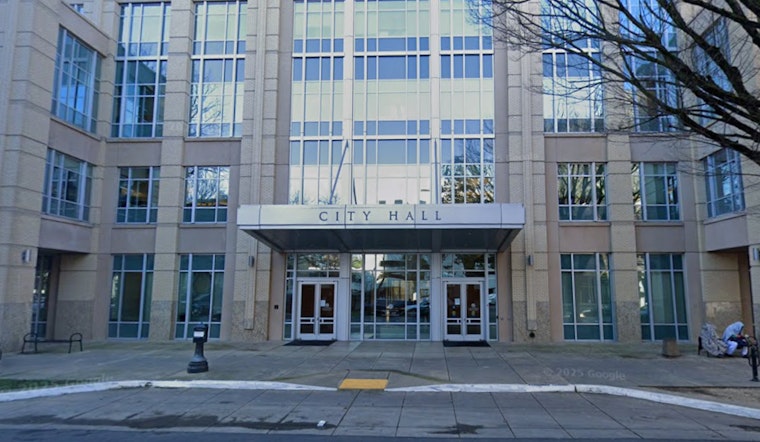
Sacramento is getting ready to decide whether money from its cannabis tax should go straight into the pockets of some of the city’s most vulnerable young adults. On Tuesday, May 5, 2026, the City Council is set to vote on a proposal that would tap Measure L cannabis tax revenue to launch a basic-income style stipend for former foster youth.
Under the plan, the city could send roughly $900 a month for up to 30 months to as many as 200 people. The first phase is pegged at about $4.8 million, with an option to scale the total cost up to $8 million. The pilot would focus on Sacramento residents in their late teens and early twenties who have aged out of the foster care system.
What the council will consider
As reported by KCRA, the council item spells out the basics: a $900 monthly stipend, a cap of 30 months, and an initial $4.8 million budget. The same reporting notes that recipients would be Sacramento residents between the ages of 16 and 24, and that the city would retain the option to grow the pilot’s budget to as much as $8 million if council members agree.
Measure L and the children's fund
Measure L, the Sacramento Children’s Fund that voters approved in 2022, requires the city to dedicate an amount equivalent to 40% of its local cannabis business tax to child and youth services. The city’s Strategic Investment Plan recommended reserving a slice of those dollars for a Guaranteed Basic Income program and laid out staff models and allocation tables to match.
City of Sacramento records show staff previously floated a model that would serve 100 youth with $1,000 monthly payments over three years as one possible approach.
How the pilot would be run
City staff have indicated the program would be operated through a competitive grant process. Nonprofits or public agencies would apply for the job of distributing the cash and providing wraparound supports, turning Measure L dollars into both money and services for participants.
The city expects to collect roughly $8 million a year from Measure L, according to The Sacramento Bee. That outlet reports the plan on the table is an initial three-year contract worth about $4.8 million beginning July 1, 2026. Applicants would be allowed to pitch different payment structures and participant models, and The Bee notes that the city will score proposals based in part on local partnerships and overall service design.
Why it matters
Advocates say giving young people direct cash at a crucial turning point could help former foster youth keep a roof over their heads, stay in school, or simply cover everyday essentials as they move into adulthood. Local reporting and state data cited in coverage of earlier proposals have highlighted the stakes, with some studies and reports showing a high risk of housing instability once youth leave foster care.
For a deeper look at those outcomes and past debates over guaranteed income for foster youth, see recent coverage by CBS Sacramento.





