

























































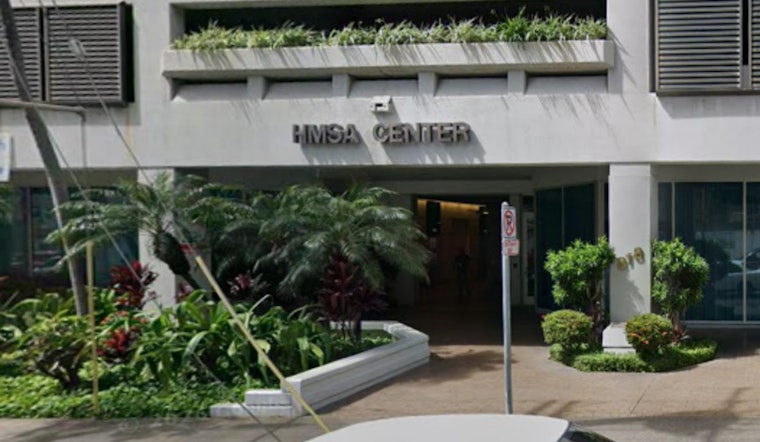
Hundreds of primary-care offices across Hawaiʻi are staring down a financial cliff after HMSA told them it will scrap monthly value-based payments that many rely on and switch back to traditional fee-for-service billing on July 1. From Oʻahu to the neighbor islands, doctors say the roughly 60-day scramble to overhaul billing systems and staffing could push small practices to close or sell, tightening an already severe primary-care squeeze.
What HMSA announced
The insurer plans to halt the per-patient monthly allowances that have propped up a decade-long value-based care experiment and instead pay clinicians for each individual service. The shift, and its July 1 effective date, were outlined in provider notices and have sparked intense concern among clinicians, according to Civil Beat.
HMSA’s rationale
HMSA executives say patient behavior changed after the pandemic and that the capitated system created data and reporting gaps that made risk-sharing hard to keep going. Company leaders argue the new approach is meant to simplify payments and shore up financial stability, according to reporting by Hawaii News Now.
Doctors sound the alarm
Primary-care clinicians counter that 60 days is nowhere near enough time to rebuild billing operations, renegotiate contracts and stave off layoffs. Providers across the islands, including Waimea Primary Care’s Carly Kaleo Correa, whose practice serves roughly 1,800 patients, warn the switch could trigger “economic duress” for independent offices and speed up consolidation, per Civil Beat.
Wider stakes and the One Health context
The timing lands while HMSA and Hawaii Pacific Health are pushing a proposed integration under the One Health Hawaiʻi structure that is still under federal review, a backdrop critics say raises the stakes for competition and access. State officials and rival health systems have already urged regulators to closely examine the deal and how it could shape where and how patients receive care, as detailed by Hawaii News Now.
Legal outlook
Some providers have hired attorneys and are pursuing delays or other legal options instead of an immediate transition. Attorney Eric Seitz told reporters he is asking HMSA to push back the deadline and is ready to file suit if needed, according to the Honolulu Star-Advertiser.
What happens next hinges on whether HMSA agrees to slow the rollout, whether providers go to court, and how state and federal regulators respond. For now, clinicians and patients across the islands are bracing for a rapid rewrite of how primary care is paid, and who ultimately delivers it.





