

























































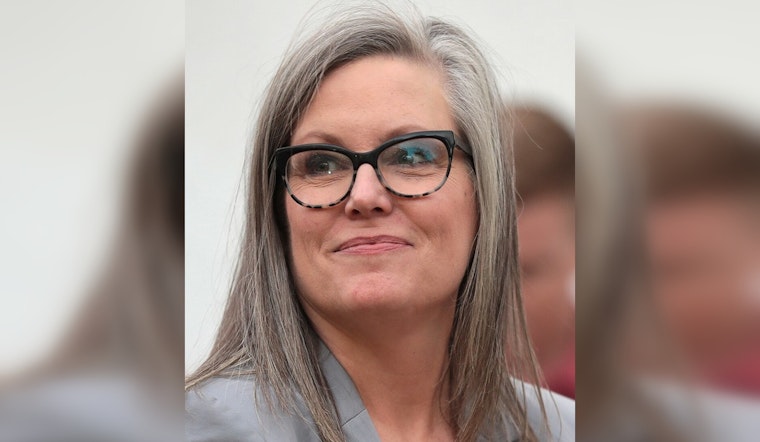
Arizona is about to put artificial intelligence between Medicaid claims and the checkbook, with Gov. Katie Hobbs rolling out a new system that scores every claim for fraud risk before a single dollar goes out the door.
The AI‑driven tool is designed to flag possible fraud, waste and abuse on the front end, routing the riskiest claims to human experts while letting low‑risk providers get paid faster. Hobbs is pitching it as a first‑of‑its‑kind prepayment review meant to stop improper payments before state funds ever leave the building.
Hobbs laid out the plan in a letter to Centers for Medicare and Medicaid Services Administrator Dr. Mehmet Oz and talked it up at a Phoenix event last Friday, according to Arizona Capitol Times. The outlet reports that Arizona will use software from Alivia Analytics to rank claims by fraud risk and send high‑scoring items to human reviewers. At CMS’s request, AHCCCS, the state’s Medicaid agency, will also submit a strategy to revalidate so‑called “high‑risk” providers.
How the AI tool is supposed to work
State officials say the new setup will run analytics both before and after payment, scoring each claim and triggering configurable “pend and review” holds for submissions that look suspicious. The vendor, Alivia Analytics, markets its Alivia 360™ platform as a pre‑pay preventive analytics system, paired with an FWA Claims Manager that spits out investigative leads.
AHCCCS says the AI rollout will plug into its broader Medicaid Enterprise System modernization, along with a new Solutions Center intended to streamline how providers ask for help and submit claims. In theory, the state gets more fraud detection without burying legitimate providers in red tape.
Why state leaders say they cannot wait
Federal regulators have been dialing up pressure on states to tighten provider oversight and lean on technology to catch bad billing behavior more effectively, as reporting on CMS’s tech push from NextGov has detailed.
Arizona also has fresh scars. Multi‑year investigations into a sober‑living and behavioral‑health scheme have pegged losses at roughly $2.5 billion in taxpayer money, according to ProPublica. Those numbers, combined with federal pressure, help explain why the state is shifting its focus from chasing bad payments after the fact to blocking them upfront.
Providers and tribal leaders are wary
Not everyone is cheering. Some providers warn that aggressive prepayment screening can slow reimbursements and squeeze small clinics that already survive on thin margins.
Tribal advocates and investigative reporting have documented dozens of deaths and serious harms in Native communities tied to the earlier sober‑living scandal, and they argue that stricter oversight must come with firm protections for Native American patients, according to AZCIR. Civil‑rights attorneys have also filed lawsuits accusing the state of wrongfully suspending providers and disproportionately targeting providers of color, with the latest case highlighted by FOX10.
What happens next
In the coming weeks, AHCCCS plans to send CMS a formal strategy for revalidating high‑risk providers, and Hobbs has emphasized that the AI setup is meant to inform, not replace, human judgment, Arizona Capitol Times reports.
In a statement reported by 12News, Hobbs said that “AI‑driven risk scoring is paired with expert clinical oversight, with automated tools informing rather than replacing human judgment.” State officials say more details on operations and timelines will roll out as AHCCCS scales up the tools.
For providers and Medicaid members, the lived experience will come down to how precisely AHCCCS tunes the models and how quickly human reviewers can clear claims that land in the high‑risk bucket. The agency’s modernization page promises ongoing updates and training resources as new systems and portal features come online, and advocates say clear explanations of how the models work will be crucial if Arizona wants trust to keep pace with its technology.





